The modern workspace has changed dramatically over the last decade. More people now work remotely, spend longer hours in front of screens, and rely heavily on digital workflows that require extended sitting and repetitive movement. While technology has improved productivity, it has also created new physical challenges involving posture, fatigue, wrist strain, lower back discomfort, and reduced daily movement.
As a result, ergonomic workspace products have evolved from niche office accessories into essential components of modern productivity setups. Standing desks, anti-fatigue mats, ergonomic mice, and movement-focused office equipment are now increasingly viewed as long-term health investments rather than optional upgrades. People no longer want workspaces that simply look modern—they want environments that actively support comfort, movement, energy, and physical well-being throughout the workday.
Ergodriven has positioned itself strongly within this category by creating ergonomic products designed specifically around movement, posture support, and healthier work habits. Instead of focusing only on aesthetics or generic office equipment, the brand emphasizes scientifically informed ergonomics combined with practical everyday usability. Their products are designed to help users move more naturally, reduce strain, and maintain greater comfort during long work sessions.
In this guide, we will explore three standout Ergodriven products: the Topo standing desk mat, the Ergodriven Standing Desk, and the Vertical Handshake Mouse. Together, these products represent three different dimensions of modern ergonomic workspaces—movement-focused standing support, healthier desk ergonomics, and reduced wrist strain through natural hand positioning.
Topo Standing Desk Mat: Movement-Focused Ergonomics for Standing Work
Standing desks have become increasingly common in both home offices and professional workplaces, but many users eventually discover that standing still for long periods can become uncomfortable on its own. The problem is not standing itself—it is the lack of movement while standing. Traditional flat anti-fatigue mats provide cushioning, but they often fail to encourage the natural shifting and repositioning that helps reduce fatigue over time.
The Ergodriven Topo standing desk mat approaches this issue differently by introducing a contoured terrain system designed to promote continuous micro-movements while working. Instead of remaining flat, the mat includes raised surfaces, angled edges, and textured sections that encourage users to shift positions, stretch calves, reposition feet, and move more naturally throughout the day. This movement-oriented approach has become one of the defining features that separates Topo from traditional office mats.
Another major strength of the Topo mat is how naturally it integrates into standing desk workflows. Users can easily slide the mat in and out with their foot when switching between sitting and standing positions, which makes transitions more seamless during work sessions. The mat also balances softness and firmness in a way that supports prolonged standing without feeling unstable. Reviews consistently highlight how the varied terrain encourages subconscious movement and stretching rather than forcing users to remain stationary for hours.
The overall experience feels less like standing on an office accessory and more like introducing active movement into the workspace itself. This reflects a broader shift within ergonomics where movement is increasingly viewed as more important than simply replacing sitting with standing.

Buy Now
The Ergodriven Standing Desk: Smarter Transitions Between Sitting and Standing
Standing desks have evolved significantly from simple adjustable tables into more intelligent productivity systems designed around movement and habit formation. Modern ergonomic research increasingly suggests that the goal should not be standing all day, but rather transitioning regularly between sitting and standing in ways that feel sustainable and natural.
The Ergodriven Standing Desk reflects this philosophy by focusing on healthier movement patterns instead of static positioning. Rather than encouraging users to remain in a single posture for hours, the desk system supports more dynamic workflows where posture changes become integrated into the workday itself. This approach aligns strongly with current ergonomic thinking, which prioritizes movement variety over rigid standing routines.
One of the strongest aspects of ergonomic standing desk systems is how they influence energy and focus. Many users report feeling more alert, engaged, and physically active when alternating between sitting and standing throughout the day. A properly designed standing desk setup also helps improve monitor positioning, arm alignment, and overall posture compared to improvised workstations that force awkward body angles.
Another important factor is long-term workspace sustainability. As remote work continues to expand, home offices increasingly function as permanent environments rather than temporary setups. This has made ergonomic investment more important because people now spend years working within the same physical spaces. Products like the Ergodriven Standing Desk are designed not simply to improve appearance, but to create healthier work habits that support productivity and physical comfort over time.
The desk also fits naturally into modern minimalist workspaces where clean design, functionality, and movement-focused ergonomics work together. Instead of appearing overly industrial or corporate, the system feels integrated into contemporary home office aesthetics while still prioritizing practical ergonomic support.

Buy Now
Vertical Handshake Mouse: Reducing Wrist Strain Through Natural Positioning
Traditional computer mice often force the wrist and forearm into unnatural rotational positions that can create strain during prolonged use. For people who spend hours every day navigating digital workflows, repetitive wrist tension can gradually lead to discomfort, fatigue, and long-term ergonomic issues.
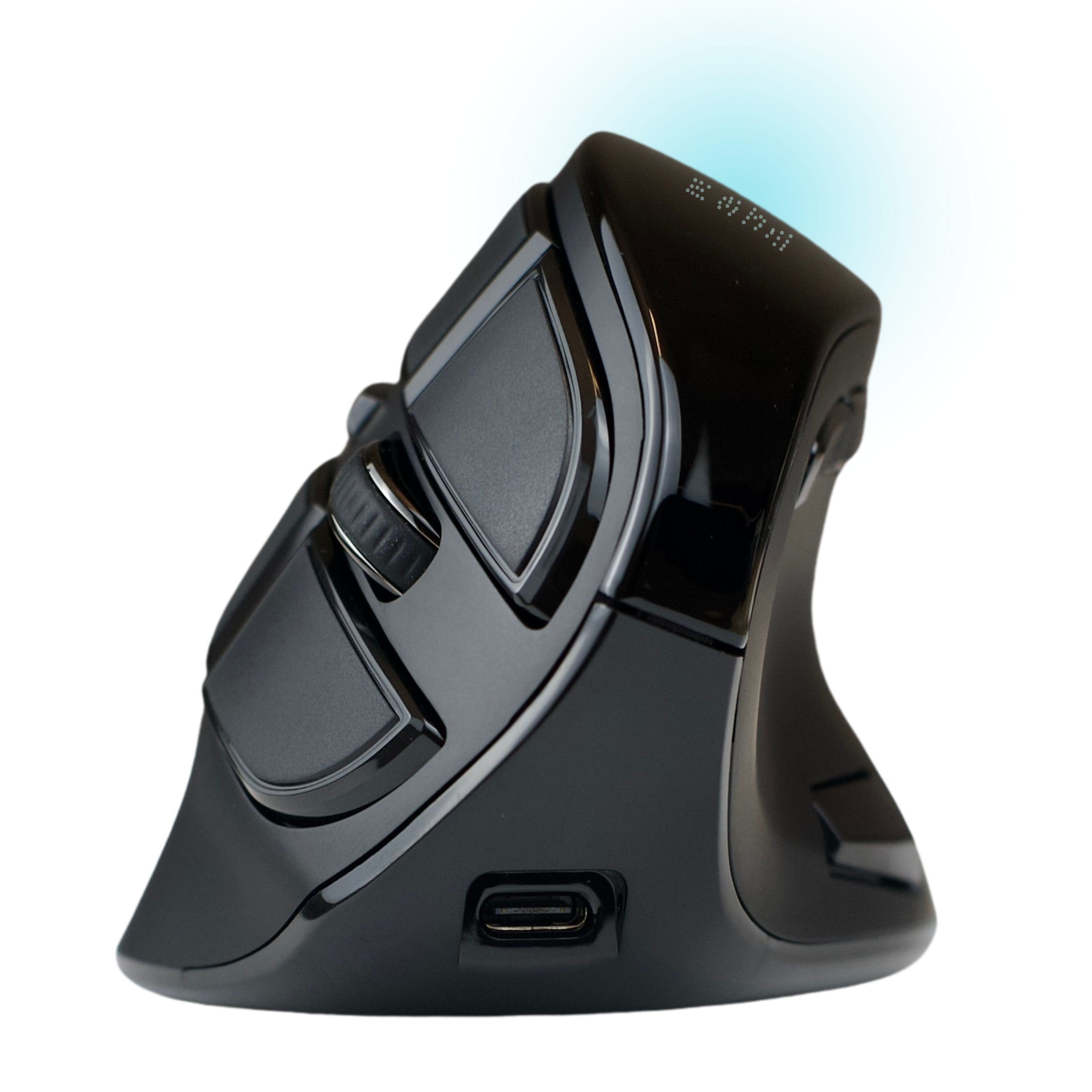
The Ergodriven Vertical Handshake Mouse addresses this problem by shifting the hand into a more natural handshake-style position rather than the flattened orientation used with conventional mice. This vertical positioning reduces forearm rotation and helps minimize tension in the wrist and arm during extended computer use. Ergonomic vertical mice have become increasingly popular among professionals, designers, editors, programmers, and remote workers because they support healthier hand alignment throughout long work sessions.
One of the biggest strengths of the Vertical Handshake Mouse is how quickly many users adapt to the shape once the initial adjustment period passes. Although the design may appear unusual compared to traditional mice, the more natural hand positioning often feels noticeably more comfortable over time, especially during repetitive workflows involving scrolling, editing, and prolonged navigation.
Another important advantage is long-term prevention. Ergonomic tools are not only about reducing existing discomfort—they are also about minimizing repetitive stress before it develops into larger issues. As more professionals spend entire workdays interacting with screens, accessories that improve wrist posture and hand positioning are becoming increasingly relevant within modern office setups.
The mouse also reflects a larger trend within ergonomic product design where health-focused functionality is combined with cleaner and more modern industrial aesthetics. Instead of looking purely medical or clinical, modern ergonomic accessories increasingly integrate naturally into premium workspace environments.
Buy Now
Conclusion: Ergonomic Design for Healthier Modern Workspaces
Modern work increasingly depends on long hours spent at desks, in front of screens, and within repetitive digital workflows. As this shift continues, ergonomic workspace design becomes more important not only for comfort, but also for long-term health, energy, and productivity.
The Topo standing desk mat, Ergodriven Standing Desk, and Vertical Handshake Mouse together represent a more modern approach to workspace ergonomics focused on movement, posture variation, and sustainable daily comfort. By encouraging healthier positioning and reducing repetitive strain, these products help create work environments that feel more active, supportive, and physically sustainable.
Rather than treating ergonomics as an afterthought, modern professionals increasingly view workspace design as part of overall well-being. Ergodriven’s movement-focused philosophy reflects this evolution by creating products that support healthier habits while integrating naturally into contemporary workspaces.
Call to Action
If you are looking to create a healthier and more ergonomic workspace, explore Ergodriven’s collection and discover movement-focused products designed to improve comfort, posture, and productivity throughout the workday.