Gift-giving has always been about expressing appreciation, celebrating milestones, and strengthening relationships. Whether it is a birthday, anniversary, wedding, graduation, retirement, or holiday celebration, the goal remains the same: giving something meaningful that leaves a lasting impression.
For decades, traditional gifts like clothing, electronics, jewelry, and home décor have dominated wish lists. While these presents certainly have their place, an increasing number of people are shifting toward experience gifts that create lifelong memories instead of adding another item to a shelf or closet.
The growing popularity of experience gifting reflects a broader change in how people define value. Rather than accumulating more possessions, many now prefer adventures, learning opportunities, relaxation, and quality time with loved ones. These moments often become stories that are shared for years, making them more emotionally rewarding than many physical gifts.
This guide explores the differences between experience gifts and traditional gifts, the science behind memorable experiences, and why experience-based presents are becoming one of the most thoughtful gift choices available today.
What Are Traditional Gifts?
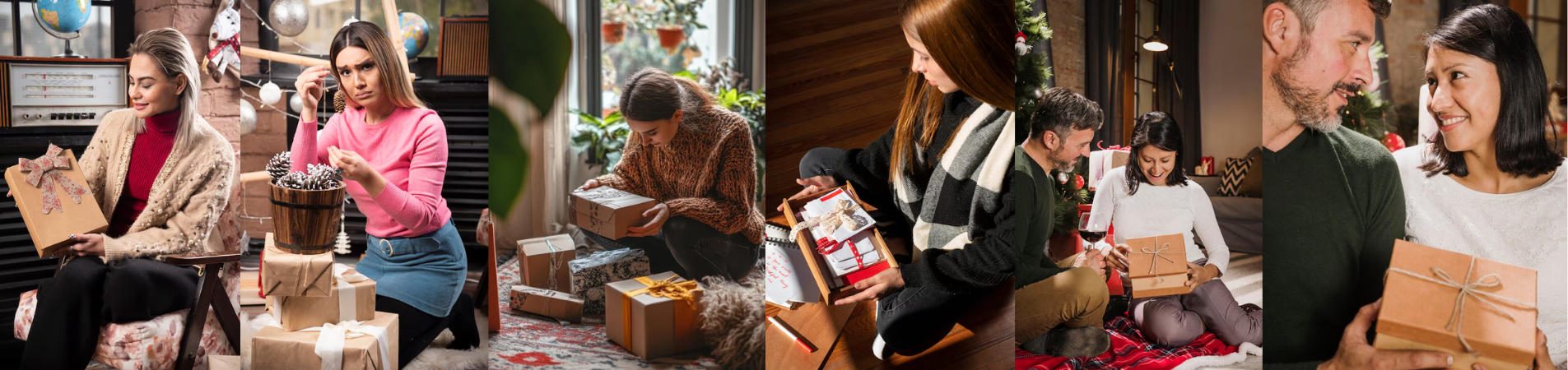
Traditional gifts are tangible items that recipients can own, use, or display. These include products purchased for birthdays, holidays, weddings, anniversaries, and countless other occasions.
Some common examples include:
- Watches
- Jewelry
- Electronics
- Fashion accessories
- Home appliances
- Books
- Perfumes
- Kitchenware
- Decorative items
- Gift baskets
These gifts often provide immediate excitement when unwrapped. Depending on quality and usefulness, they may continue to deliver value for months or even years.
Traditional gifts remain excellent choices when someone needs a specific item or has clearly expressed what they want. However, not every physical gift creates an emotional connection that lasts long after the celebration ends.
Buy Now
What Are Experience Gifts?
Experience gifts focus on creating memorable moments instead of providing physical possessions. Rather than opening a package containing an object, recipients receive the opportunity to enjoy an activity, adventure, or unique event.
Examples include:
- Hot air balloon rides
- Spa retreats
- Wine tastings
- Helicopter tours
- Scuba diving
- Fine dining experiences
- Wildlife encounters
- Cooking classes
- Sailing trips
- Cultural tours
- Adventure sports
- Luxury weekend getaways
Unlike material gifts, experiences often become treasured memories that people continue talking about for years.
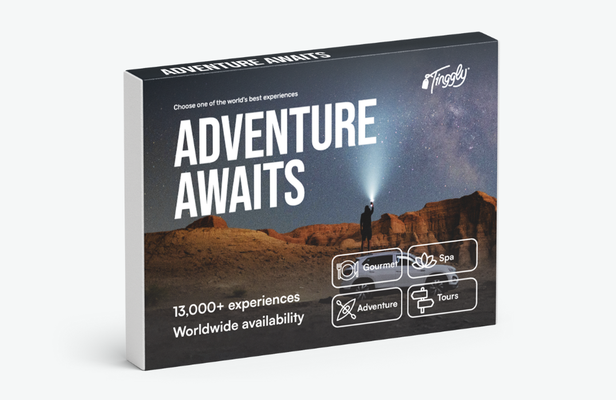
This growing trend has led to the popularity of curated experience gift boxes, allowing recipients to choose from hundreds of activities around the world based on their interests and travel plans.
Buy Now
Why Experience Gifts Are Becoming More Popular
Consumer preferences have changed significantly over the past decade. Many households already own most of the products they need, making shopping for meaningful physical presents increasingly difficult.
Several factors explain why experience gifts continue to gain popularity.
People Value Memories More Than Possessions
Memories become part of someone's personal story. A thrilling adventure, relaxing getaway, or unforgettable dinner often holds greater emotional value than another household item.
Unlike physical objects that gradually become ordinary, meaningful experiences often become more valuable with time as people remember them fondly.
Less Clutter
Many recipients appreciate gifts that do not require storage space.
Experience gifts eliminate concerns about finding room for another gadget, decoration, or accessory while still offering something valuable.
Personalized Adventures
Experiences can reflect someone's hobbies, personality, or lifelong dreams.
Whether someone enjoys travel, wellness, food, nature, or adventure, there are experiences tailored to nearly every interest.
Stronger Emotional Connections
Shared experiences often strengthen relationships.
Couples, families, and friends frequently remember adventures they enjoyed together far longer than physical presents exchanged on special occasions.
The Psychology Behind Experience Gifts
Research in consumer psychology consistently suggests that experiential purchases contribute more to long-term happiness than material purchases.
Several psychological principles explain why.
Anticipation Increases Happiness
Receiving an experience gift often creates excitement long before the activity actually happens.
Planning the trip, selecting dates, imagining the adventure, and preparing for the experience all contribute to positive emotions.
Traditional gifts typically generate excitement during the moment of unwrapping but may lose novelty relatively quickly.
Experiences Become Part of Identity
People often define themselves by what they have done rather than what they own.
Someone may proudly share stories about hiking through breathtaking landscapes, learning to scuba dive, or enjoying a once-in-a-lifetime culinary experience.
These memories become woven into personal identity.
Memories Improve Over Time
Physical items naturally age, wear out, or become outdated.
Experiences, however, often become more meaningful as time passes because people remember the highlights while overlooking small inconveniences.
A rainy day during a vacation might eventually become a funny story rather than a disappointment.
Advantages of Traditional Gifts
Although experiences are growing in popularity, traditional gifts continue to offer several benefits.
Immediate Gratification
Physical presents can be opened, used, or displayed immediately after receiving them.
There is no waiting period before enjoying the gift.
Everyday Practicality
Many material gifts solve daily problems or improve everyday life.
Examples include:
- Coffee machines
- Smartphones
- Kitchen appliances
- Winter clothing
- Office equipment
Useful gifts can provide lasting value when carefully chosen.
Easy to Personalize
Customized jewelry, engraved keepsakes, handmade crafts, and personalized artwork often become treasured family heirlooms.
These sentimental items combine emotional value with long-term ownership.
Suitable for Certain Occasions
Some milestones naturally call for physical gifts.
Wedding registries, baby showers, and housewarming celebrations often include practical household products that recipients genuinely need.
Advantages of Experience Gifts
Experience gifts offer unique benefits that traditional presents often cannot match.
Lasting Emotional Impact
An unforgettable adventure creates stories, photographs, friendships, and memories that remain meaningful for years.
Many recipients remember exactly when and where they enjoyed a remarkable experience.
Flexible Choices
Modern experience gift providers offer recipients the freedom to choose activities that suit their interests.
Instead of guessing someone's favorite color, clothing size, or preferred gadget, gift-givers can provide access to hundreds of experiences.
For example, Tinggly's Collection 69 allows recipients to choose from a wide variety of carefully curated experiences across numerous destinations. This flexibility helps ensure the gift aligns with personal interests rather than relying on assumptions.
Suitable for Every Personality
Experience gifts appeal to many different lifestyles.
Adventure lovers may choose skydiving or zip-lining.
Food enthusiasts may enjoy gourmet dining or wine tastings.
Wellness seekers may prefer spa retreats or wellness weekends.
Travel lovers may select unforgettable excursions in destinations they have always wanted to visit.
Minimal Environmental Impact
Many consumers are becoming more conscious of sustainable purchasing decisions.
Experience gifts generally avoid excessive packaging and reduce unnecessary consumption compared to many physical products.
Comparing Experience Gifts and Traditional Gifts
Emotional Value
Experience gifts often create stronger emotional connections because they involve active participation and memorable moments.
Traditional gifts may become meaningful through personalization but generally depend on the recipient's long-term use.
Longevity
Material gifts eventually wear out, break, or become outdated.
Experiences remain as cherished memories that continue to grow in emotional significance.
Personalization
Both categories can be personalized.
Traditional gifts may feature custom engravings or designs.
Experience gifts can reflect someone's passions, dreams, or travel goals.
Flexibility
Experience gift collections provide recipients with multiple options rather than limiting them to one predetermined product.
This flexibility reduces the risk of choosing something they already own or may not need.
Storage
Experience gifts require no storage space.
Physical gifts eventually contribute to household clutter if they are rarely used.
Choosing the Right Gift for Different Occasions
Birthdays
Experience gifts work especially well for milestone birthdays.
Instead of another decorative item, recipients can celebrate with adventures they have always wanted to try.
Weddings
Many couples already have fully furnished homes.
An unforgettable experience together may be more meaningful than additional household items.
Anniversaries
Shared experiences naturally strengthen relationships.
Romantic dinners, luxury escapes, and unique adventures often become anniversary highlights remembered for years.
Graduations
Graduates entering a new stage of life often appreciate opportunities to explore, travel, or develop new skills.
Experience gifts can celebrate achievement while encouraging personal growth.
Retirement
Retirement often marks the beginning of greater freedom to travel and pursue long-held interests.
A memorable experience makes an excellent way to celebrate this important milestone.
Why Flexibility Makes Experience Gifts Even Better
One challenge with traditional gifts is uncertainty.
Will the recipient like the color?
Will the clothing fit?
Do they already own something similar?
Experience gift collections reduce these concerns by allowing recipients to choose the adventure that best matches their preferences.
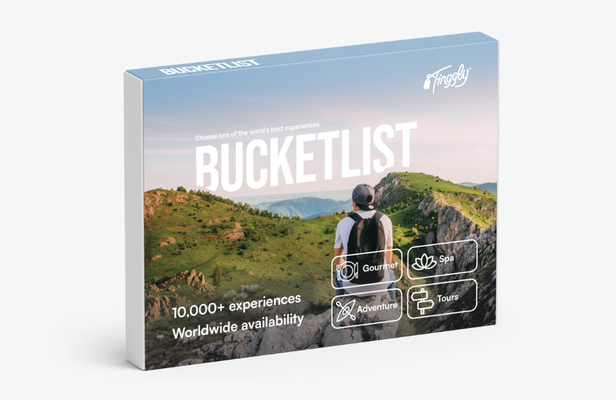
For travelers and adventure seekers looking for extraordinary moments, Tinggly's Bucketlist Gift Box offers access to incredible experiences around the world. Rather than limiting recipients to one activity, it provides opportunities to select unforgettable adventures that align with their personal dreams and travel plans.
This flexibility makes experience gifting especially attractive when shopping for someone whose preferences may be difficult to predict.
Experience Gifts for Different Personality Types
The Adventure Seeker
Ideal experiences include:
- Skydiving
- Bungee jumping
- Mountain climbing
- White-water rafting
- Helicopter rides
The Food Lover
Excellent choices include:
- Gourmet dinners
- Wine tasting tours
- Cooking workshops
- Brewery experiences
- Culinary classes
The Wellness Enthusiast
Relaxation-focused experiences may include:
- Luxury spa days
- Wellness retreats
- Massage experiences
- Yoga weekends
- Meditation workshops
The Traveler
Travel lovers often appreciate:
- Cultural excursions
- Guided city tours
- Wildlife experiences
- Sailing adventures
- Scenic train journeys
Couples
Shared experiences help create lasting memories through:
- Romantic dinners
- Weekend escapes
- Sunset cruises
- Couples' spa treatments
- Luxury hotel stays
Are Traditional Gifts Becoming Obsolete?
Not at all.
Traditional gifts continue to serve important purposes.
A thoughtful piece of jewelry, meaningful family heirloom, or practical appliance can remain deeply appreciated.
Rather than replacing traditional gifts entirely, experience gifts simply expand the range of meaningful options available.
Many gift-givers even combine both approaches by pairing a small physical keepsake with an unforgettable experience.
This combination provides both a tangible reminder and a lasting memory.
How to Decide Between an Experience Gift and a Traditional Gift
Several questions can help determine which option is most appropriate.
Consider whether the recipient:
- Already owns most of what they need.
- Enjoys traveling or trying new activities.
- Values memorable experiences over possessions.
- Appreciates practical everyday items.
- Prefers collecting memories instead of products.
- Likes having flexible choices.
If someone frequently talks about places they want to visit or adventures they hope to try, an experience gift may create significantly greater excitement than another physical item.
Conclusion
The debate between experience gifts and traditional gifts does not have a universal winner because every recipient is different. However, growing research and changing consumer preferences suggest that memorable experiences often leave deeper emotional impressions than material possessions alone.
While traditional gifts remain valuable for practicality, personalization, and everyday usefulness, experience gifts excel at creating stories, strengthening relationships, and delivering moments that recipients remember for years.
For gift-givers seeking something meaningful, flexible, and memorable, curated experience collections offer an appealing alternative to conventional presents. Options like Tinggly's Collection 69 provide recipients with the freedom to choose experiences that suit their interests, while the Bucketlist Gift Box opens the door to extraordinary adventures that transform special occasions into lifelong memories.
Ultimately, the most meaningful gifts are not always measured by their price or size but by the emotions they create and the memories they inspire long after the celebration has ended.