Boba Tea, a drink originated in the city of T'ai-nan, Taiwan, in the mid-1980s. Dozens of variations of the drink have evolved since then, especially throughout Taiwan and other East Asian locales such as Singapore, Hong Kong, and Japan.
With the modernisation of cultures and popularity of K-dramas, k-pop, mangas and Asian music, the acceptance of bubble tea grew massively and took the world by storm. The Millennials and Generations Zs have adopted boba tea as not just a drink but a culture.
Boba tea has become a symbol of cultural exchange, with different communities adapting the drink to their own tastes and preferences. Boba tea is often associated with a relaxed, sociable setting, making it a popular choice for gatherings.
Boba tea is more than just a beverage; it's a cultural phenomenon that influences how people socialise. It's a part of the tea community and has its own distinct traditions and customs.
What is Boba Tea:
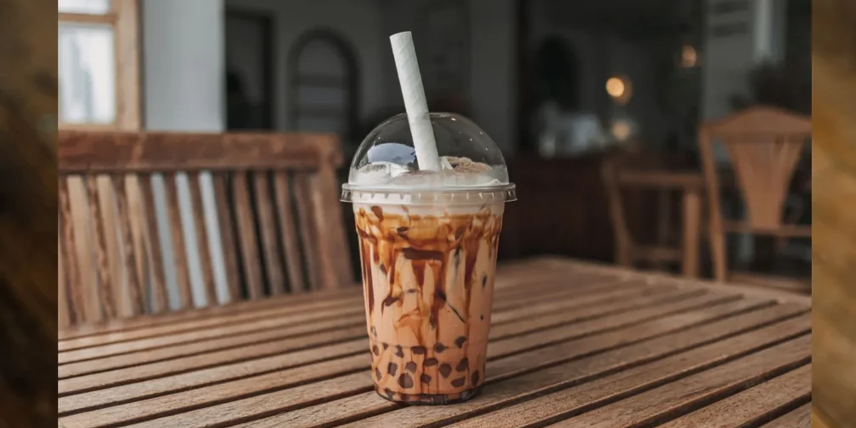
Boba tea, also known as bubble tea, is a Taiwanese beverage consisting of tea, often milk or fruit-flavoured, and chewy tapioca pearls. These tapioca pearls, called boba, are small, chewy balls made from cassava starch. The boba is added to the tea and is typically consumed with a large straw.
The addition of boba pearls offers a unique contrast, giving the drink a delightful texture that makes it as fun to chew as it is to sip. Whether you prefer a classic milk tea or a fruity blend, boba tea is a refreshing treat that can be enjoyed in countless ways. While boba tea is incredibly delicious and savoury, is it actually healthy and beneficial for your health?
Is boba tea healthy?
Boba tea is generally not considered a healthy beverage due to its high sugar content. While it can be enjoyed as a treat, it's not a good choice for regular consumption.
Potential Health Risks:
1. High in Sugar:
Boba tea often contains added sugars from syrups, sweeteners, and the boba pearls themselves.
2. Potential Health Risks:
Excessive sugar intake can contribute to obesity, diabetes, and other health problems.
3. Limited Nutritional Value:
Boba tea doesn't offer significant nutritional benefits beyond energy from carbohydrates.
So does that imply that the health conscious consumers and people with dietary restrictions can’t get to enjoy this savoury drink?
How to obtain maximum benefits from the boba Tea without consuming excessive carbs.
- Choose less sweet options: Many shops offer reduced sugar levels or less sweet versions.
- Skip add-ons: Avoid or limit tapioca pearls, jellies, and other toppings that add extra sugar and calories.
- Use natural sweeteners: Opt for alternatives like stevia or monk fruit instead of artificial sweeteners.
- Choose healthier bases: Consider unsweetened green tea or other herbal teas.
- Limit consumption: Enjoy it occasionally as a treat rather than a daily beverage.
But in this way, the taste and experience is sure to be compromised. But what if I told you that without compromising on the taste, you can enjoy the boba tea daily and can add it as a pre or post workout drink?
Integrate the boba tea into your daily routine:
Boba Nutrition is a manufacturer of boba tea powder with delicious flavours and additional nutritional benefits with the best sugar alternatives for all the healthy eaters.
Designed by boba tea enthusiasts & certified supplement experts using the most authentic ingredients, these drinks are made with
1. Increased Protein Content:
most Boba Tea Protein has an average of 3g of protein, 56g of Carbs, 40g of sugar and 240 calories? In Boba Nutrition, there are 24-25g of Protein, 3g of net carbs, 1g of sugar and 130 calories per cup making it ideal for all the gym freaks who don’t like the taste of available protein powders and supplements.
2. Best Sugar Alternatives:
Because most Bubble Tea is made with sugar, you will have elevated levels of blood sugar causing crashes. Boba Nutrition has substituted the sugar with monk fruit as a sweetener to reduce sugar content while maintaining sweetness. Monk fruit is a natural, low-calorie sweetener that allows to create a healthier boba tea option so you can keep the taste but less the junk.
3. Gluten Free:
These drinks are gluten free to cater to various dietary needs.
4. Easy to Make:
These drinks are easy to prepare as compared to traditional boba drink that needs to be brewed and made properly to ensure smooth taste.
Boba Nutrition stands out as the best way to integrate the drink into your daily routines because it provides the perfect combination of the deliciousness of boba tea with the benefits of high-quality protein. Their products contain real ingredients, including authentic tapioca pearls, and are designed to offer a healthier and more nutritious boba tea experience.
No need to consume the same boring protein drinks when you can enjoy the exciting flavours of boba tea such as taro, mango and honeydew etc to sweeten up your day without actually consuming sugar.