Stress is an inevitable part of life. Whether from work, relationships, or personal challenges, stress can take a toll on your mental and physical health. But did you know that stress can also profoundly impact your skin? The effects of stress on your skin are significant, from acne breakouts to premature aging. This blog’ll explore the connection between stress and skin health while providing practical tips to combat these issues.
The Connection Between Stress and Skin
The skin, our body’s largest organ, serves as a protective barrier against external threats. However, it is susceptible to internal changes, including stress. When you're stressed, your body releases cortisol, a hormone that can wreak havoc on your skin in several ways:
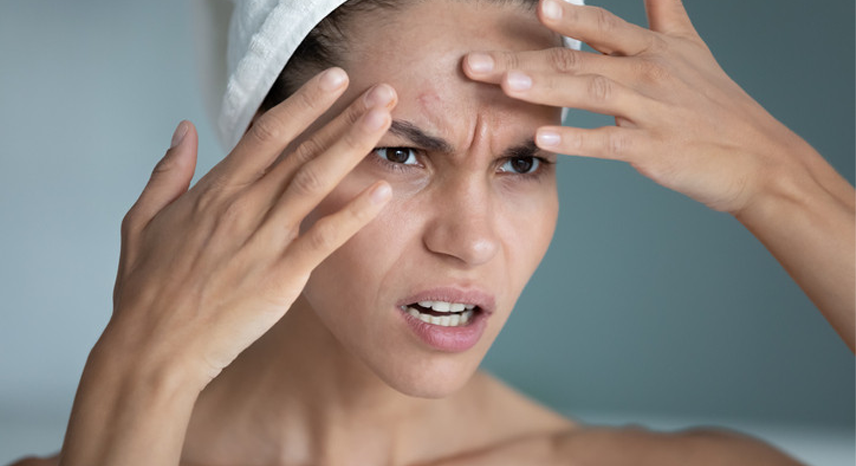
- Increased Oil Production: Cortisol stimulates the sebaceous glands, producing excess oil that can clog pores and lead to acne. Stress can also exacerbate existing skin conditions such as eczema and psoriasis.
- Accelerated Aging: Chronic stress can accelerate aging by breaking down collagen and elastin, the proteins that keep your skin firm and elastic. This can lead to fine lines, wrinkles, and sagging skin.
- Moisture Loss: Stress impairs the skin’s ability to retain moisture, resulting in dryness and a dull complexion. It can disrupt the skin's natural barrier function, making it more susceptible to environmental damage.
- Sleep Deprivation: A lack of sleep, often due to stress, can cause dark circles and puffiness under the eyes. Stress can also hinder circulation, further contributing to an aged appearance.
- Increased Sensitivity: Stress can heighten your skin's reactivity, leading to redness, irritation, and even allergic reactions.
How to Combat Stress-Induced Skin Problems
Now that we understand how stress affects the skin, let’s explore effective strategies to combat these issues. Remember, caring for your skin involves topical treatments and stress management as part of a healthy lifestyle.
Adopt a Consistent Skincare Routine
A consistent skincare routine is essential for maintaining healthy skin, especially during stressful times. Key steps to include are:
- Cleansing: Use a gentle cleanser to remove dirt, oil, and makeup without stripping your skin of its natural moisture.
- Moisturising: Choose a moisturiser suited to your skin type to keep it hydrated and protected.
- Sun Protection: Always apply sunscreen with at least SPF 30 to safeguard your skin from UV damage, which stress can exacerbate.
Incorporate Stress-Relief Techniques
Managing stress is crucial for your mental well-being and skin health. Consider these effective stress-relief techniques:
- Exercise: Regular physical activity helps reduce cortisol levels and improve circulation, giving your skin a vibrant glow.
- Meditation and Deep Breathing: These practices calm your mind and reduce stress, creating more transparent, radiant skin.
- Adequate Sleep: Aim for 7-9 hours each night to allow your skin to repair and regenerate.
Eat a Balanced Diet
Your diet significantly influences your skin health. Incorporate these nutrients to combat stress-induced skin issues:
- Antioxidants: In fruits and vegetables, antioxidants help protect your skin from free radical damage.
- Omega-3 Fatty Acids: In fish, flaxseeds, and walnuts, omega-3s help maintain the skin’s lipid barrier, keeping it hydrated and supple.
- Vitamins and Minerals: Vitamins A, C, and E, along with zinc and selenium, are crucial for skin health and repair.
Use Skincare Products with Stress-Relieving Ingredients
Look for skincare products that contain ingredients known to counteract the effects of stress on the skin:
- Adaptogens: Ingredients like ashwagandha and reishi mushrooms help the skin adapt to stress and reduce inflammation.
- Niacinamide: This form of vitamin B3 strengthens the skin's barrier, reducing redness and irritation.
- Hyaluronic Acid: A powerful humectant that attracts and retains moisture, keeping your skin hydrated and plump.
Stress is unavoidable, but its impact on your skin doesn’t have to be detrimental. By understanding how stress affects your skin and taking proactive measures to manage it, you can maintain a healthy and radiant complexion. Remember, skincare encompasses your products and how you care for your overall well-being. You can effectively combat stress-induced skin issues by adopting a consistent skincare routine, incorporating stress-relief techniques, eating a balanced diet, staying hydrated, and utilising stress-relieving skincare products. Additionally, seeking professional help can significantly impact your mental and skin health. Prioritising your skin is a form of self-care essential for your physical and psychological well-being. Please take a deep breath, unwind, and give your skin the care it deserves. With the right approach, you can overcome the effects of stress and enjoy a healthier, more glowing complexion.