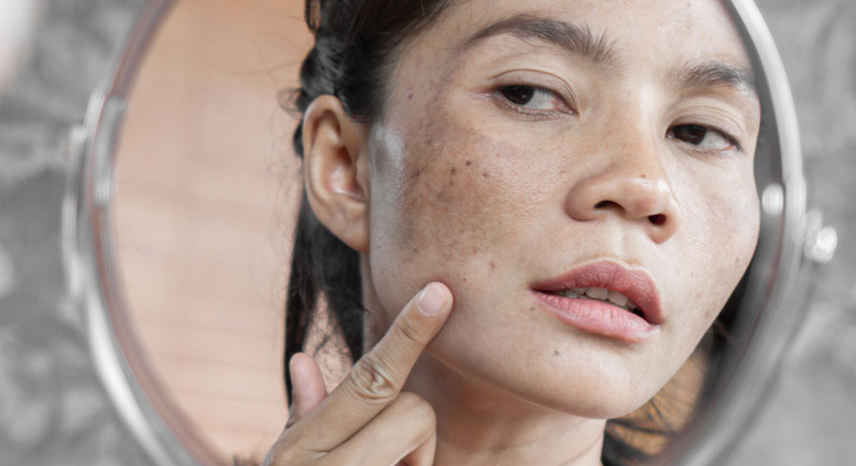
Some people find freckles endearing, while others may view them as a skin issue or a continual reminder of sun exposure. You could be wondering how to have freckle-free skin, regardless of whether you were born with them or they developed over time as a result of UV damage. Even if freckles aren't harmful, you're not the only person who wants to minimize or avoid them.
But don’t worry; getting freckle-free skin doesn’t have to be an impossible task. With the right approach, you can reduce their appearance, prevent new ones from forming, and achieve the even skin tone you desire. In this blog, we'll walk you through everything from skincare routines to treatments and habits that can help you get a clearer, freckle-free complexion. Let’s get straight into it.
1. Understand the Cause of Freckles
Before we jump into how to get rid of freckles, it’s important to understand what causes them in the first place. Freckles, or ephelides, are small, flat, brown spots on the skin that appear due to an overproduction of melanin, the pigment responsible for the color of your skin, hair, and eyes.
These spots are more common in fair-skinned individuals as they have less melanin to begin with. Freckles are typically triggered by sun exposure. The ultraviolet (UV) rays from the sun increase melanin production in the skin, leading to the formation of these small spots. So, if you're looking for freckle-less skin, you’ll need to manage both the appearance and the cause of freckles.
2. Daily Sun Protection: The First Step to Preventing Freckles
The most important step in preventing freckles or stopping them from appearing is protecting your skin from the sun. UV rays not only increase the production of melanin but can also cause skin damage that results in premature aging and other skin concerns.
How to Protect Your Skin:
Use Sunscreen Every Day: Make sunscreen your best friend. Look for broad-spectrum sunscreen with an SPF of 30 or higher. Apply it generously to all exposed areas of your skin, even on cloudy days, as UV rays can penetrate through clouds.
Reapply Frequently: Sunscreen wears off, especially if you sweat or go swimming. Reapply every two hours, and even more frequently if you're active outdoors.
Wear Protective Clothing: Hats, sunglasses, and long sleeves can help block out harmful UV rays. For added protection, consider clothing with built-in UV protection.
Avoid Peak Sun Hours: The sun’s rays are the strongest between 10 a.m. and 4 p.m. Try to stay out of direct sunlight during these hours to reduce your exposure.
By taking these steps, you can prevent the formation of new freckles and also protect your skin from further damage.
3. Targeted Skincare Ingredients to Fade Existing Freckles
Now that we’ve covered sun protection, let’s talk about skincare ingredients that can help fade existing freckles. While you can’t completely erase freckles with skincare alone, some ingredients can brighten your complexion and reduce the appearance of dark spots.
Top Skincare Ingredients for Fading Freckles:
Vitamin C:
This powerful antioxidant helps brighten the skin and can fade hyperpigmentation over time. Look for serums or creams containing stabilized Vitamin C (ascorbic acid) to target dark spots.
Niacinamide:
Known for its skin-brightening properties, niacinamide (a form of Vitamin B3) helps lighten dark spots, even out skin tone, and improve the skin’s texture.
Alpha Hydroxy Acids (AHAs):
AHAs like glycolic acid and lactic acid work as exfoliants to remove dead skin cells and encourage cell turnover. This can help fade freckles by revealing fresh, even-toned skin.
Retinoids:
Retinoids, or Vitamin A derivatives, increase cell turnover and can gradually fade dark spots by promoting the growth of new, even-toned skin cells. They also help with fine lines and acne, making them a great addition to your skincare routine.
Licorice Extract:
This natural ingredient has skin-brightening properties and can help reduce the appearance of pigmentation and dark spots.
Hydroquinone:
Often found in prescription-strength products, hydroquinone works to lighten skin by inhibiting the production of melanin. It can be used for stubborn freckles and dark spots but should be used cautiously and under professional supervision.
Tip: Make sure to use these ingredients in moderation and always wear sunscreen when using products that target pigmentation. These active ingredients can make your skin more sensitive to the sun, increasing the risk of further darkening or scarring.
4. Natural Remedies to Lighten Freckles
If you prefer to take a more natural approach, there are a few DIY remedies that some people find helpful for lightening freckles over time. While these methods might take longer to show results, they can be a gentler option for sensitive skin.
Natural Remedies for Freckles:
Lemon Juice:
The citric acid in lemon juice is a natural exfoliant that can help lighten freckles over time. Apply freshly squeezed lemon juice to the affected areas, leave it on for about 10 minutes, and rinse off. Be sure to follow up with sunscreen, as lemon juice can make your skin more sensitive to the sun.
Honey and Cinnamon Mask:
Honey has natural brightening properties, and cinnamon helps exfoliate dead skin cells. Mix the two ingredients into a paste and apply it to the freckled areas. Leave the mask on for 15 minutes before rinsing off.
Aloe Vera:
Aloe vera has soothing properties and can help lighten freckles over time. You can use fresh aloe vera gel from the plant or opt for a store-bought aloe vera gel that doesn’t contain added chemicals.
Apple Cider Vinegar:
The acids in apple cider vinegar can act as a natural exfoliant and lighten skin discoloration. Dilute apple cider vinegar with water and apply it to the affected areas once or twice a week.
While these remedies may work for some, they can take a while to show results. Additionally, they may not be as effective as more concentrated treatments like skincare products containing Vitamin C or retinoids.
Remember, the journey to clearer skin takes time, so be patient with the process, and always prioritize the health and protection of your skin along the way. Whether you’re working with skincare products or opting for treatments, the key is consistency, protection, and care.