One of the most important organs that plays a fundamental role in maintaining your overall health and wellness is your nose. It works by filtering out dust, allergens, and pollutants, while warming and humidifying the air air you breathe in. Nasal passages can however be blocked or filled with irritants, which can lead to you encountering difficulties while breathing, prompting discomfort and infections. Keeping your nose clean automatically results in the maintenance of clear airways, which helps prevent illnesses from occurring and improves overall health and well-being. A clean nose thus allows you to feel more at ease, be able to breathe freely, sleep better, and highly alleviate the risk of infections and allergies developing such as sinus infections.
In this blog, we will explain the different methods you can employ to keep your nose clean to reduce the risk of diseases, leading to improved breathing and health.
The Importance of a Clean Nose
A clean nose doesn’t just make breathing easier—it helps protect your respiratory system from harmful particles. Your nasal passages trap bacteria, viruses, and allergens before they reach your lungs. When they become clogged with mucus or debris, you’re more prone to infections, allergies, and sinus issues. Regularly cleaning your nose can help reduce congestion, prevent sinus infections, and improve your breathing efficiency. Moreover, proper nasal hygiene contributes to better sleep quality, improved focus, and overall wellness by ensuring your body gets the oxygen it needs.
Natural Ways to Keep Your Nose Clean
1. Practice Daily Nasal Irrigation
Nasal congestion can be cleared out by using very simple techniques such as practicing daily nasal irrigation. This helps to remove irritants from the nose, since the saline solution flushes out excess mucus, allergens, and bacteria. You can employ a simple saline rinse consisting of a simple solution of warm water and salt. A neti pot or a saline spray can be used to perform the rinse. This can be used to clean nasal passages efficiently. The way to use a neti pot is to fill it with a sterile saline solution, tilting your head to one side, gently pouring the solution into one nostril and allowing the solution to drain from the other nostril. Make sure to always use sterile or distilled water only in order to avoid infections, while allowing your nose to dry properly after rinsing. Alternatives to neti pots can include saline sprays or bulb syringes as they provide similar benefits with easier application.
2. Stay Hydrated
Drinking plenty of water is crucial for maintaining healthy nasal passages. Proper hydration helps thin mucus, making it easier to clear from your nose. Dry nasal passages are more prone to irritation and congestion, so ensure you’re drinking enough fluids throughout the day. Herbal teas, broths, and water-rich fruits like watermelon and cucumbers can also help keep your nasal passages moist.
3. Use Steam Therapy
Steam therapy is a highly recommended method to soothe nasal irritation and improve breathing. It helps loosen mucus that has stuck in the passages, and help clear nasal blockages. The right way to perform nasal therapy is to boil a pot of water, remove it from heat, and lean your nose over it with a towel placed over your head. Inhale the steam deeply inside for a time period of 5-10 minutes. You can also add other essential oils such as eucalyptus or peppermint oil that can enhance the effects of steam by reducing inflammation and opening up the nasal passages. The alternative method to steam therapy can be hot showers, in case you don't have time for a full steam therapy, as a hot shower with steam exposure provides similar relief effects.
4. Keep Your Environment Clean
Keeping your environment clean is an important requirement in order to keep your nose clean and improve breathing. Dust, pollen, and pet dander can accumulate in your home, which can significantly irritate your nasal passages. It is thus important for you to keep your living space clean by carrying out regular cleaning, in order to remove exposure to allergens and improve breathing quality. Make sure to dust surfaces, vacuum the carpets, and wash the bedding frequently. You can use an air purifier to help filter out allergens and pollutants from the air to make the air cleaner. Opening the windows is also a good idea as it allows fresh air to circulate and helps remove stale air and allergens. Lastly, make sure to avoid using strong odours such as artificial fragrances, cigarette smoke, and chemical cleaners as they can irritate the nasal passages and further aggravate the situation.
5. Maintain Proper Humidity Levels
Maintaining proper humidity levels in the indoor atmosphere is essential to maintaining nasal health, as dry air can substantially cause nasal discomfort and irritation. You can use a humidifier that can keep your nasal passages moist, and help prevent dryness and congestion. The ideal humidity levels indoor should be between 40-50% in order to prevent dryness. You can also incorporate a natural moisture boost by keeping indoor plants as they help increase moisture levels in the air. Accessories like hydrating nasal sprays can also be used if your home tends to be dry, as a saline nasal spray helps maintain moisture levels in your nose.
6. Practice Good Hygiene
Practicing good hygiene is necessary in order to keep your nose clean. Germs and bacteria can easily enter your nasal passages via your hands, thus practicing good hygiene reduces the risk of infections and nasal congestion. Actions like washing hands regularly helps prevent the transfer of germs to your nose. You must also avoid picking your nose as it can introduce bacteria and cause irritation in the nasal passages. When wiping or blowing your nose in case of sneezes or flowing mucus, or cleaning, you should use a soft tissue as it helps prevent irritation. Moreover, you must also replace your pillow cases frequently as your pillow can collect dust, oils, and bacteria that may irritate your nasal passages, and aggravate nose problems.
7. Exercise Regularly
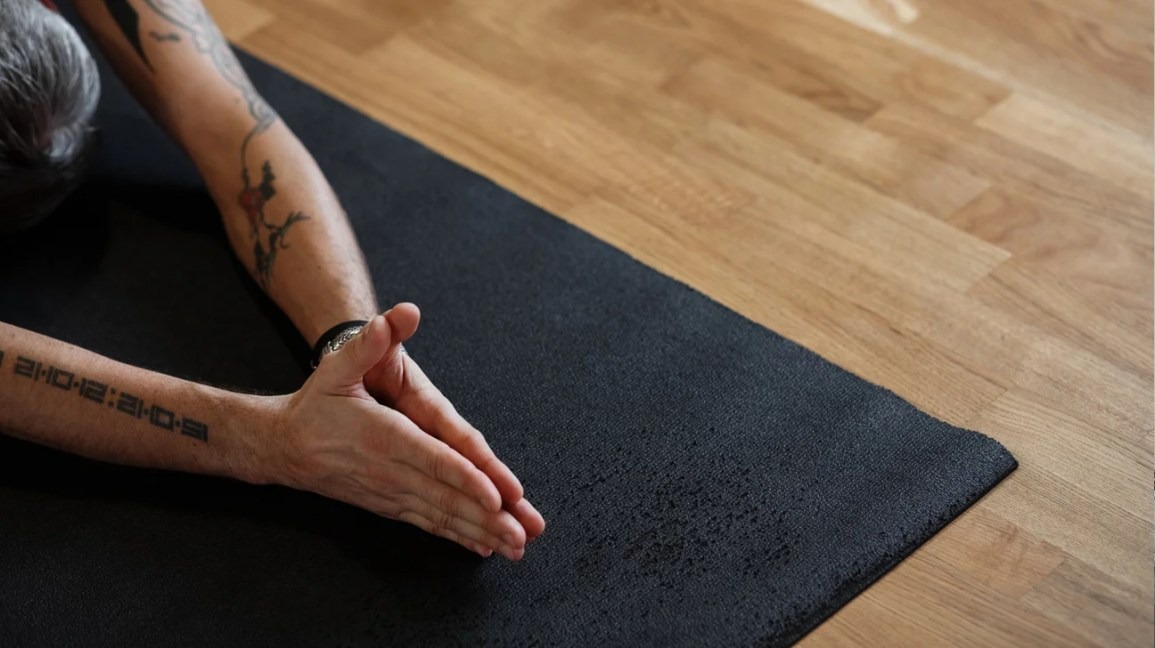
Physical activity is also essential to improve your nose health. It helps improve circulation in the body and keeps the nasal passages clear from any harmful allergens. Exercise helps promote deep breathing in yhe lungs, leading to the nose and trachea flushing out irritants improving lung function and breathing. Outdoor workouts are highly recommended as exercising in fresh air can naturally help in clearing out the nasal passages due to the physical exertion on the body. You can also practice breathing exercises as deep breathing techniques can strengthen your respiratory system, reduce nasal congestion, and allow smoother inhalation and exhalation. Other physical activities such as yoga and stretching are also beneficial as certain yoga poses are designed to help open up your nasal passages and improve airflow through the whole breathing system.
Taking care of your nose is a simple yet essential practice for maintaining good respiratory health. By keeping your nasal passages clean through hydration, nasal rinsing, steam therapy, and a healthy lifestyle, you can improve your breathing, reduce congestion, and lower your risk of infections. Incorporate these natural habits into your daily routine, and you’ll notice a significant improvement in your overall well-being. Breathing easily not only enhances your physical health but also boosts mental clarity and energy levels, helping you feel your best every day.