Long bike rides are one of the most rewarding experiences for cyclists. Whether you're training for your first century ride, preparing for a multi-day cycling adventure, or simply spending weekends exploring new roads, comfort plays a major role in your performance and enjoyment.
Unfortunately, many cyclists eventually experience saddle sores. These painful skin irritations can quickly turn an enjoyable ride into an uncomfortable challenge, making it difficult to stay in the saddle for extended periods.
The good news is that saddle sores are largely preventable. With the right preparation, equipment, riding habits, and skin care routine, you can significantly reduce your risk and stay comfortable on every ride.
In this guide, you'll learn exactly how to prevent saddle sores, why they develop, and how products like quality chamois creams can become an essential part of your cycling routine.
What Are Saddle Sores?
Saddle sores are areas of irritated skin that develop where your body comes into contact with your bicycle saddle. They often appear on the inner thighs, buttocks, groin, or sit bone areas.
Despite the name, saddle sores aren't always open sores. They may begin as:
- Redness
- Chafing
- Tender skin
- Swelling
- Small bumps
- Inflamed hair follicles
- Pain when sitting
If ignored, these minor irritations can become more severe and may require time off the bike to heal.
Understanding what causes saddle sores is the first step toward preventing them.
What Causes Saddle Sores?
Saddle sores usually develop because several factors combine over the course of a ride.
Friction
As you pedal, your body constantly moves against your cycling shorts and saddle. Thousands of pedal strokes create repeated rubbing that gradually irritates the skin.
Moisture
Sweat softens the skin, making it more vulnerable to friction. Long summer rides or indoor trainer sessions often create the perfect environment for irritation.
Pressure
Hours spent sitting in one position place continuous pressure on your sit bones and surrounding tissue.
Bacteria
Warm, damp conditions allow bacteria to multiply. When skin becomes irritated or damaged, bacteria can contribute to inflammation or infection.
Poor Bike Fit
A saddle that's too high, too low, tilted incorrectly, or the wrong width can increase movement and pressure, leading to discomfort.
Why Prevention Is Better Than Treatment
Once saddle sores become painful, every ride becomes more difficult.
Preventing them allows you to:
- Ride longer
- Recover faster
- Train consistently
- Improve endurance
- Enjoy cycling more
Professional cyclists spend as much time preventing skin problems as they do improving fitness because comfort directly affects performance.
Choose the Right Cycling Shorts
One of the best investments any cyclist can make is a quality pair of cycling shorts.
Look for features such as:
- High-density chamois padding
- Flatlock stitching
- Breathable materials
- Moisture-wicking fabrics
- Proper compression
- Minimal seams
Avoid wearing underwear beneath cycling shorts. The extra fabric creates unnecessary friction and traps moisture.
Instead, wear clean cycling shorts directly against your skin.
Make Sure Your Saddle Fits Properly
Many cyclists assume saddle discomfort means they need a softer saddle.
In reality, the correct saddle supports your sit bones rather than soft tissue.
When choosing a saddle, consider:
- Width
- Shape
- Riding position
- Flexibility
- Riding style
A professional bike fit can identify whether your saddle is contributing to excessive movement or pressure.
Even small adjustments to saddle height or angle can dramatically improve comfort.
Wear Clean Cycling Shorts Every Ride
Clean clothing is one of the simplest ways to reduce skin irritation.
Dirty shorts contain:
Reusing shorts without washing them increases the likelihood of irritation.
Always wash cycling shorts after every ride using a gentle detergent and allow them to dry completely before wearing them again.
Keep Your Skin Clean
Personal hygiene matters just as much as clean clothing.
Before riding:
- Shower if possible.
- Ensure your skin is dry.
- Apply skin protection where needed.
After riding:
- Remove cycling shorts promptly.
- Shower as soon as possible.
- Wash away sweat and bacteria.
- Allow your skin to breathe.
Good hygiene significantly lowers the risk of bacterial irritation.
Use Chamois Cream Before Every Ride
One of the most effective ways to prevent saddle sores is by applying chamois cream before you ride.
Chamois cream creates a protective barrier between your skin and your cycling shorts. It helps reduce friction while keeping the skin more comfortable during long hours in the saddle.
Many experienced cyclists consider it an essential part of their pre-ride routine, especially for rides lasting more than an hour.
Benefits include:
- Reduced friction
- Improved comfort
- Less skin irritation
- Lower risk of chafing
- Better moisture management
- Added skin protection during long rides
Choosing the Right Chamois Cream
Not every cyclist has the same riding habits, so choosing the right product depends on your routine.
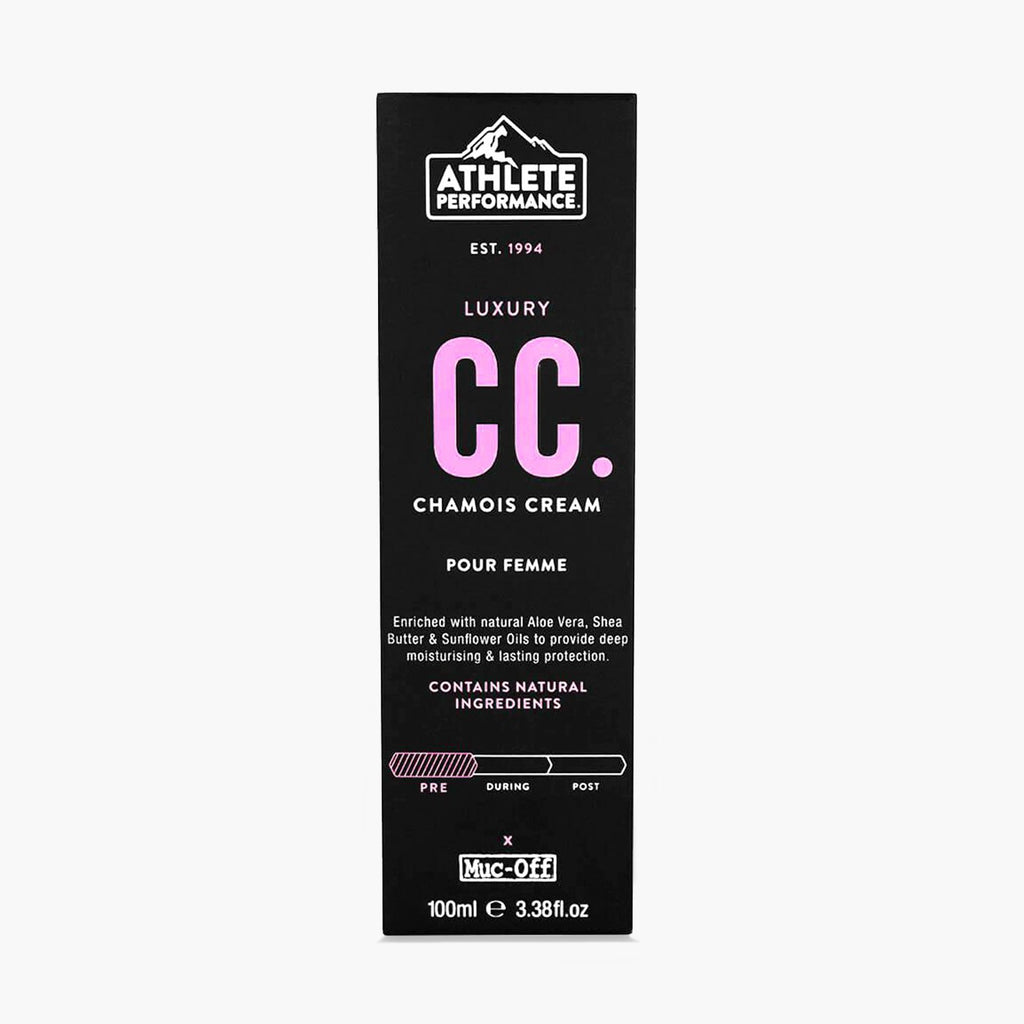
Antibacterial Chamois Cream 100ml
For everyday training, the Antibacterial Chamois Cream 100ml is an excellent option.
Its antibacterial formulation helps support skin hygiene while reducing friction during daily rides, weekend training sessions, and club rides.
The convenient 100ml size is easy to keep in your cycling kit or travel bag, making it a practical choice for regular riders.
Buy Now
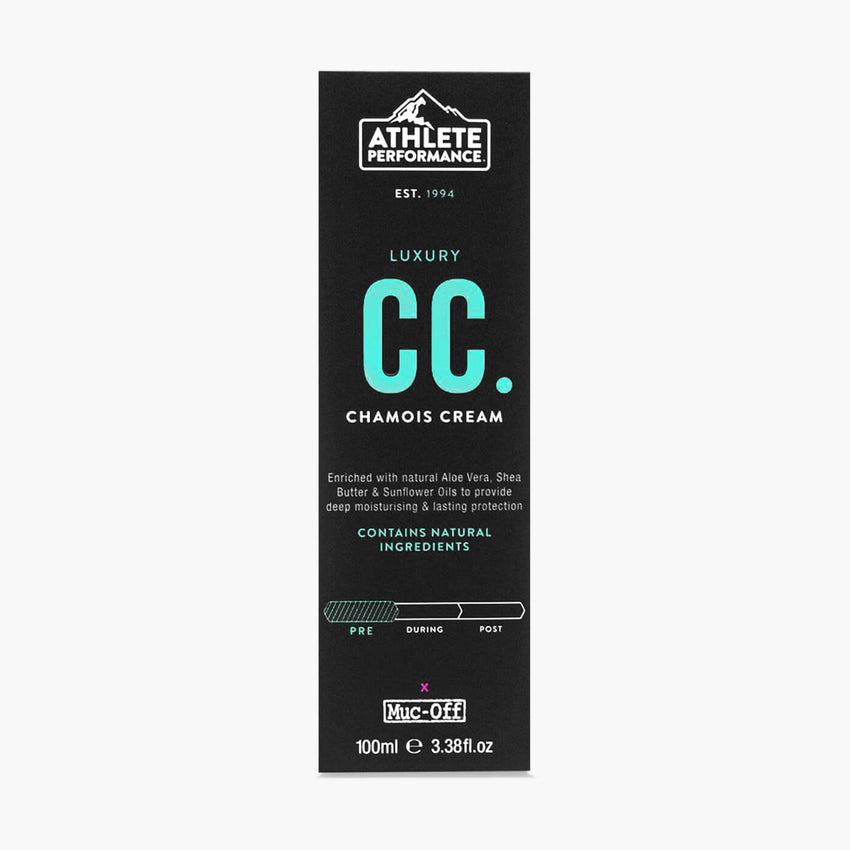
Antibacterial Chamois Cream Pour Femme 100ml
Women often have different comfort requirements due to anatomical differences and riding position.
The Antibacterial Chamois Cream Pour Femme 100ml is formulated specifically for female cyclists who want reliable skin protection throughout their rides.
Whether you're training indoors, riding outdoors, or preparing for endurance events, it helps reduce friction while supporting lasting comfort.
Buy Now
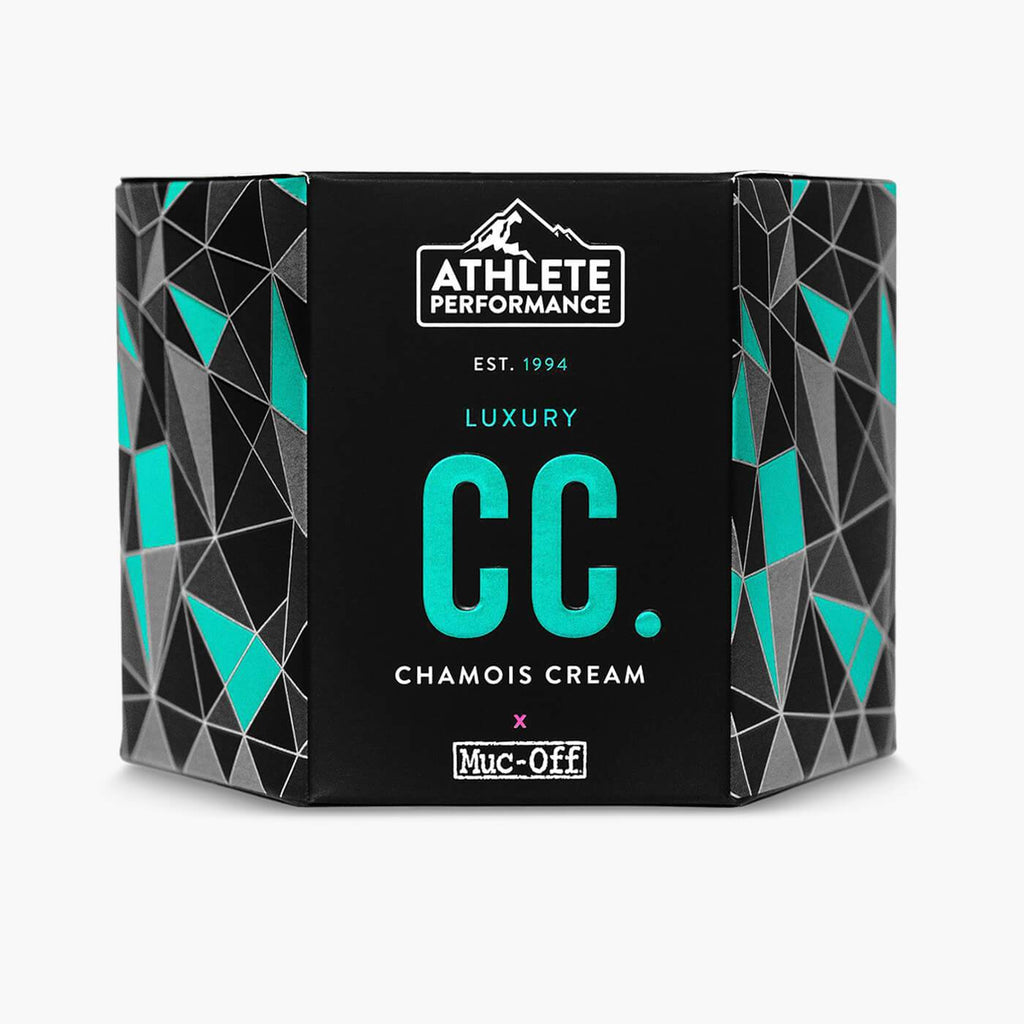
Luxury Chamois Cream 250ml
If cycling is part of your weekly routine, a larger container offers excellent value.
The Luxury Chamois Cream 250ml is ideal for cyclists who spend multiple days each week in the saddle.
Its larger size makes it well suited for regular training schedules, endurance riders, and anyone preparing for long-distance events where consistent skin care is essential.
Buy Now
Apply Chamois Cream Correctly
Using chamois cream properly is just as important as choosing the right product.
For best results:
- Apply before every ride.
- Focus on areas where friction occurs.
- Use enough to create a thin protective layer.
- Reapply before particularly long rides if needed.
Applying cream before discomfort begins is far more effective than waiting until irritation develops.
Stay Dry During Your Ride
Excess moisture is one of the biggest contributors to saddle sores.
To stay dry:
- Wear breathable clothing.
- Choose moisture-wicking shorts.
- Stay hydrated to regulate body temperature.
- Change out of wet clothing immediately after riding.
- Avoid remaining in sweaty cycling gear for extended periods.
Managing moisture helps keep skin healthier throughout longer rides.
Stand Up Regularly While Riding
Remaining seated for hours creates constant pressure on the same areas.
Every few minutes:
- Stand while climbing.
- Stretch briefly.
- Change riding position.
- Shift your weight.
These small movements improve circulation and reduce continuous pressure.
Build Distance Gradually
Many new cyclists develop saddle sores simply because they increase mileage too quickly.
Instead of doubling your weekly distance overnight:
- Increase mileage gradually.
- Allow your body time to adapt.
- Schedule recovery rides.
- Take rest days when needed.
Your skin becomes more resilient as your riding volume increases progressively.
Stay Hydrated
Hydration affects more than athletic performance.
Well-hydrated skin tends to be healthier and more resilient against friction.
Drink fluids:
- Before your ride
- During longer rides
- After training
Maintaining hydration supports overall skin health and recovery.
Address Hot Spots Early
Pay attention to any discomfort during your ride.
Early warning signs include:
- Burning sensations
- Tender skin
- Increased friction
- Warm spots
- Mild redness
Ignoring these signals often leads to more significant irritation.
If you notice a developing problem, reduce ride duration if possible and allow the area to recover before your next long session.
Recovery Matters
Even with excellent prevention, your skin benefits from recovery after long rides.
After cycling:
- Shower promptly.
- Wear loose clothing.
- Let your skin breathe.
- Stay hydrated.
- Wash cycling shorts immediately.
Recovery habits help prepare your body for the next ride.
Common Mistakes That Lead to Saddle Sores
Many cyclists unknowingly increase their risk by making avoidable mistakes.
These include:
- Wearing underwear beneath cycling shorts
- Riding in dirty bib shorts
- Skipping chamois cream
- Ignoring bike fit
- Using worn-out shorts
- Increasing mileage too quickly
- Staying in sweaty clothing after rides
- Riding despite severe skin irritation
Correcting even one or two of these habits can noticeably improve comfort.
Creating the Perfect Pre-Ride Comfort Routine
A consistent routine reduces the likelihood of discomfort on every ride.
A simple checklist includes:
- Wear freshly washed cycling shorts.
- Check your saddle position.
- Apply chamois cream.
- Pack enough water.
- Inspect your bike.
- Dress appropriately for the weather.
- Start your ride with dry, clean skin.
This preparation only takes a few minutes but can make a significant difference during longer rides.
Final Thoughts
Learning how to prevent saddle sores is one of the most valuable investments you can make as a cyclist. Comfort allows you to ride farther, train more consistently, and enjoy every mile without unnecessary distractions.
Simple habits such as maintaining good hygiene, wearing quality cycling shorts, ensuring your bike fits correctly, and managing moisture all work together to protect your skin.
Adding a quality chamois cream to your pre-ride routine provides another important layer of protection. Whether you choose the Antibacterial Chamois Cream 100ml for everyday training, the Antibacterial Chamois Cream Pour Femme 100ml for women seeking a formula designed specifically for female riders, or the Luxury Chamois Cream 250ml for frequent cyclists who want lasting value, consistent skin care can make long rides far more comfortable.
Preventing saddle sores isn't about one single solution. It's the combination of smart preparation, proper equipment, and good cycling habits that keeps you riding comfortably mile after mile.