We all want to live a long, healthy life, but often, we don’t think about our well-being until something goes wrong. The truth is, most health issues don’t just appear overnight. They build up over time due to lifestyle choices, stress, and neglect. Imagine how different things would be if, instead of waiting for problems to arise, we took steps to prevent them. Small daily habits, like eating right, staying active, managing stress, and getting regular check-ups, can make a world of difference. Preventative healthcare isn’t just about avoiding illness, it’s about improving the quality of life, feeling energetic, and staying ahead of potential health risks. Whether it’s heart disease, diabetes, or mental health struggles, prevention is always better than cure.
In this blog, we’ll explore simple yet effective strategies to keep common health issues at bay so you can take control of your well-being before problems even start. Let’s dive in!
1. Nourish Your Body - The Foundation of Health
Imagine your body as a machine that requires the right fuel to function optimally. A balanced diet rich in nutrients can be a game-changer and enhance your overall wellbeing. Let’s discuss the foods you should incorporate into your diet to prevent any sort of disease in the future.
- Embrace a Colorful Plate: Incorporate a variety of fruits and vegetables to ensure a spectrum of vitamins and minerals. Each color represents different nutrients that are vital for health.
- Choose Whole Grains: Opt for whole grains over refined ones to boost fiber intake, aiding digestion and maintaining blood sugar levels.
- Lean Proteins Matter: Include sources like poultry, fish, beans, and nuts to support muscle health and repair.
- Healthy Fats Are Essential: Incorporate avocados, olive oil, and fatty fish to promote heart health and reduce inflammation.
By making mindful dietary choices, you can prepare your body against numerous health issues, including heart disease and diabetes.
2. Move More - The Power of Physical Activity
People often underestimate the significant impact of regular physical activity on our health. Beyond weight management, exercise plays a major role in disease prevention. What are the benefits of working out on your health?
- Cardiovascular Benefits: Engaging in activities like walking, cycling, or swimming strengthens the heart, reducing the risk of heart disease.
- Mental Well-being: Exercise releases endorphins, enhancing mood and reducing the symptoms of depression and anxiety.
- Bone and Muscle Strength: Exercises such as resistance training, help maintain bone density and muscle mass, which is crucial as we age.
If you want to enjoy these benefits then you should aim for at least 150 minutes of exercise per week. Remember, consistency is key. You're more likely to stick with an exercise routine if you enjoy it. Find something that you look forward to.
3. Prioritize Rest - The Hidden Gem for Enhanced Health
Many people don’t emphasize enough how rest can be the ultimate game-changer in your fitness journey. Why is it so important?
- Cognitive Function: Quality sleep enhances memory, concentration, and decision-making abilities.
- Immune Support: During sleep, the body repairs and strengthens the immune system, making it more effective at combating illnesses.
- Emotional Balance: Proper rest regulates mood, reducing irritability and stress levels.
You should strive for at least 7-9 hours of sleep per night. Establishing a bedtime routine and creating a restful environment can significantly improve sleep quality.
4. Stay Connected - Impact of Social Interactions on Your Health
We often think of health in terms of diet, exercise, and medical check-ups, but one crucial factor that is often overlooked is our relationships. As human beings, we thrive on connection. Whether it's chatting with a friend, spending time with family, or being part of a community, social interactions play a huge role in our overall well-being. How does it impact your health?
- Boosts Mental Health: Feeling connected to others reduces stress, anxiety, and depression. Loneliness, on the other hand, has been linked to increased mental health struggles.
- Keeps Your Brain Sharp: Conversations and social activities keep your brain engaged, helping to improve memory and cognitive function, especially as you age.
- Improves Physical Health: Studies have shown that people with a strong social circle tend to have lower blood pressure, stronger immune systems, and even a longer lifespan.
So, if you’ve been feeling isolated or caught up in a busy routine, make an effort to reconnect. Join a club, call an old friend, or simply spend more quality time with family. These small steps can go a long way in improving your overall health.
5. Be Proactive: Regular Health Screenings and Vaccinations
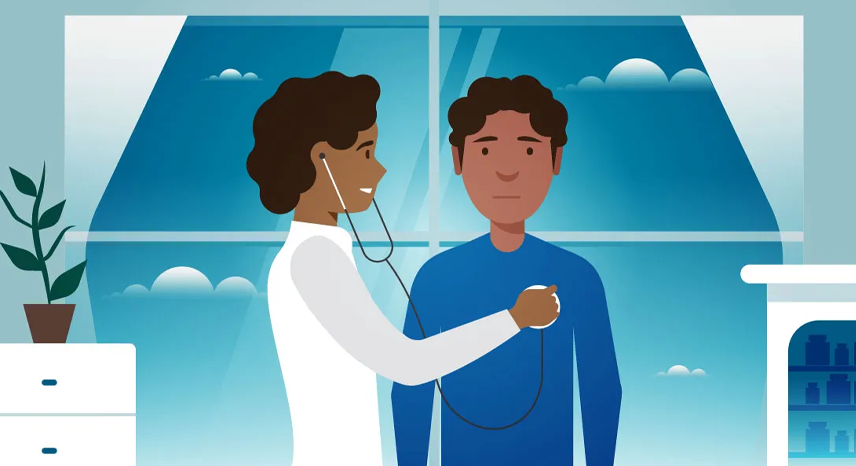
One of the best ways to stay ahead of health problems is to catch them early. Regular check-ups and screenings can help detect issues before they become serious, giving you a better chance of managing or even preventing them.
- Health Screenings Save Lives: Routine check-ups can detect issues like high blood pressure, diabetes, or even cancer in their early stages. Talk to your doctor about the tests you need based on your age, medical history, and lifestyle.
- Vaccinations Protect You and Others: Keeping up with recommended vaccines helps prevent serious illnesses. This is especially important for children, older adults, and those with weakened immune systems.
Taking charge of your health isn’t just about reacting when something goes wrong, it’s about staying one step ahead. Schedule those check-ups, follow your doctor’s advice, and make preventative care a priority.
To summarize, staying healthy doesn’t require extreme measures. It’s about small, consistent choices that add up over time. Whether it’s eating nutritious meals, staying active, managing stress, or keeping up with regular health screenings, every effort you make contributes to a better, healthier life. Prevention isn’t just about avoiding illness, it’s about feeling your best every day. So take that first step, start making healthier choices, and remember that your well-being is in your hands. You deserve to live a long, happy, and healthy life!