Collagen is the most abundant protein in the human body. It plays a vital role in maintaining the structure and elasticity of skin, strengthening bones, and supporting joint health. Collagen production naturally declines as we age, leading to wrinkles, sagging skin, and joint discomfort. Fortunately, several natural ways boost collagen production and maintain youthful vitality. This blog will explore the most effective methods to enhance collagen levels naturally, ensuring you look and feel your best.
What is Collagen and Why is it Important?
Collagen is a fibrous protein that serves as a building block for your skin, bones, muscles, tendons, and ligaments. It provides structural support, elasticity, and strength to various tissues in the body. There are at least 16 types of collagens, but the majority (around 90%) found in the body are Type I, II, and III.
- Type I Collagen: Found in skin, bones, and tendons, it provides structure and strength.
- Type II Collagen: Present in cartilage, it supports joint health.
- Type III Collagen: Found in muscles, blood vessels, and organs, it maintains elasticity.
As collagen production decreases with age, it is essential to adopt habits and practices that stimulate its synthesis. Let’s explore the most effective ways to boost collagen naturally.
Eat Collagen-Boosting Foods
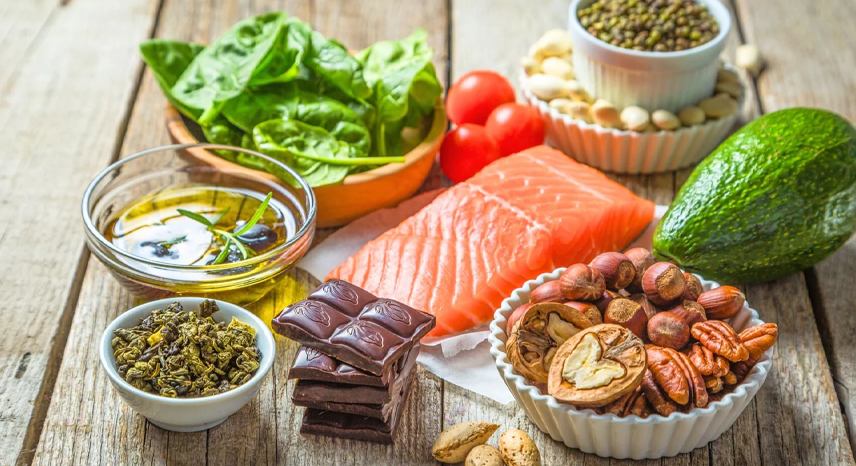
Your diet plays a significant role in collagen production. Certain foods are rich in amino acids, vitamins, and minerals that support collagen synthesis. Here are some collagen-boosting foods to include in your diet:
- Bone Broth: A rich source of collagen, bone broth is made by simmering animal bones and connective tissues. It is packed with amino acids like glycine and proline, which are essential for collagen production.
- Fish and Shellfish: Fish, such as salmon and mackerel, are high in omega-3 fatty acids, which protect the skin's collagen and keep it hydrated. Shellfish contain zinc and copper, minerals that support collagen synthesis.
- Egg Whites: Eggs are rich in proline, one of the key amino acids needed for collagen production.
- Citrus Fruits: Oranges, lemons, and grapefruits are high in vitamin C, which helps convert proline and lysine into collagen.
- Leafy Greens: Spinach, kale, and other greens are rich in antioxidants that protect collagen from damage.
- Berries: Blueberries, strawberries, and raspberries contain vitamin C and antioxidants that promote collagen synthesis.
These foods in daily meals can naturally support your body's collagen production.
Take Collagen Supplements
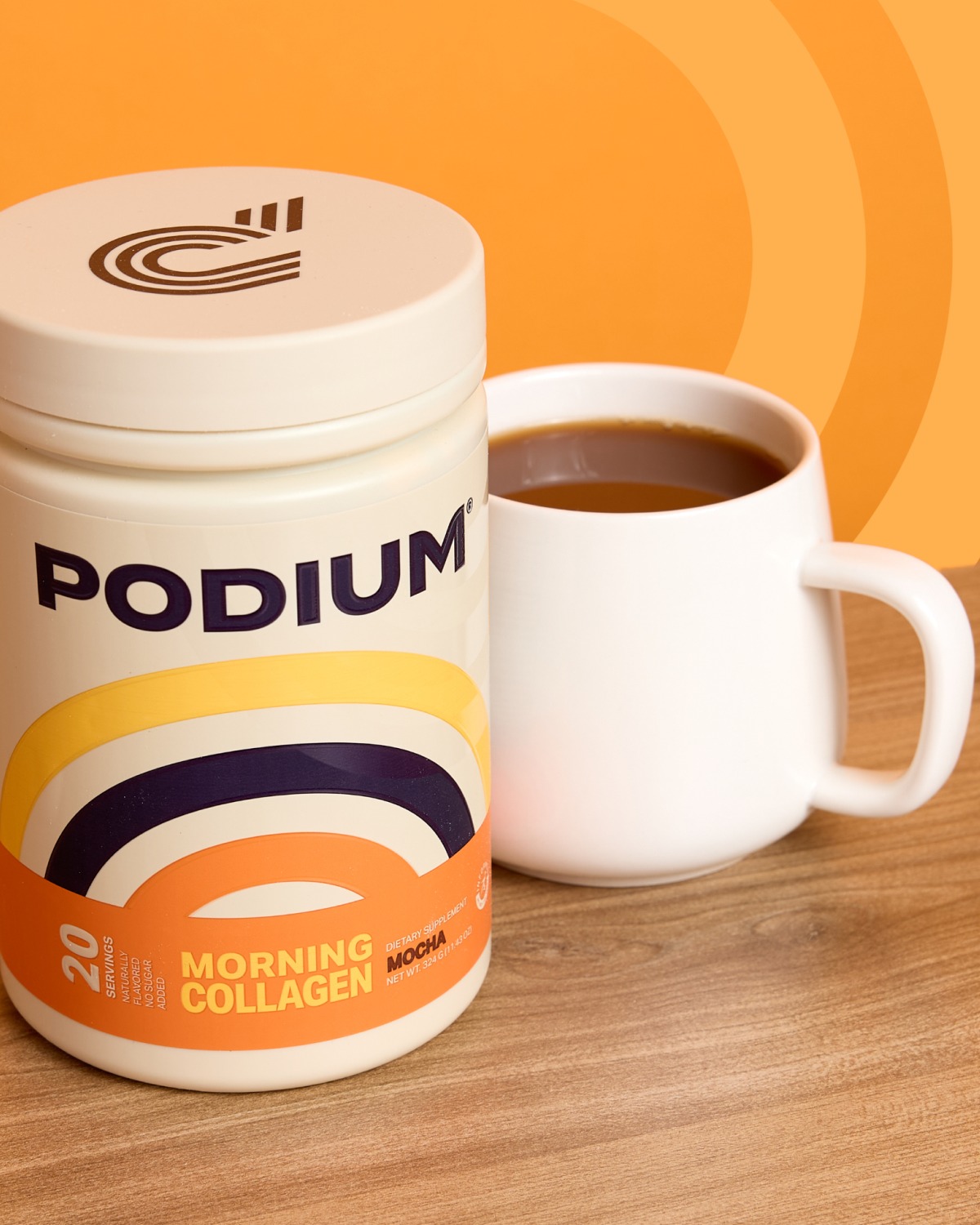
Consider collagen supplements if you're looking for a convenient way to boost collagen levels. These are typically derived from animal sources such as bovine, marine, or chicken collagen and come in various forms, including powders, capsules, and liquids.
- Hydrolyzed Collagen: This form is broken down into smaller peptides, making it easier for your body to absorb and utilize.
- Marine Collagen: Sourced from fish, marine collagen is known for its high bioavailability and effectiveness in promoting skin health.
When choosing a collagen supplement, opt for high-quality products from reputable brands. Always consult a healthcare professional before starting any new supplement regimen.
Protect Your Skin from Sun Damage
Excessive sun exposure is one of the leading causes of collagen breakdown. Ultraviolet (UV) rays damage the collagen fibers in your skin, leading to premature aging, wrinkles, and sagging. To protect your skin and preserve collagen:
- Use Sunscreen: Apply a broad-spectrum sunscreen with at least SPF 30 daily, even on cloudy days.
- Wear Protective Clothing: Hats, sunglasses, and long-sleeved clothing can shield your skin from harmful UV rays.
- Seek Shade: Avoid direct sunlight during peak hours (10 a.m. to 4 p.m.).
By protecting your skin from sun damage, you can prevent collagen degradation and maintain a youthful appearance.
Stay Hydrated
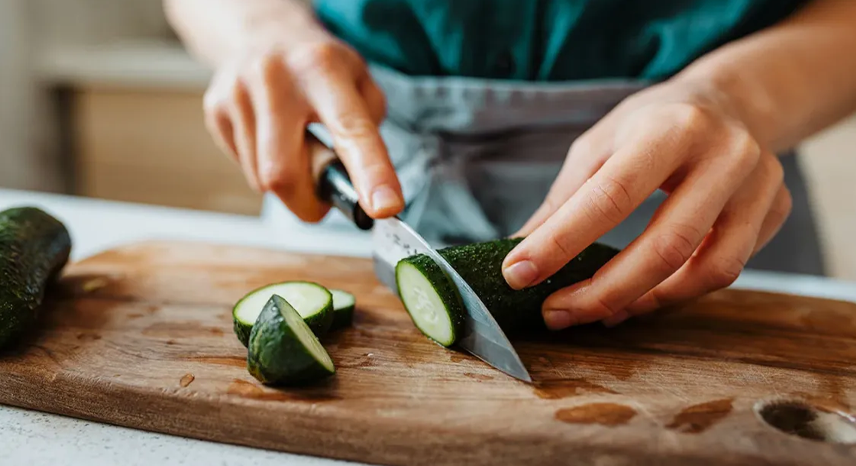
Hydration is essential for maintaining healthy skin and supporting collagen production. Water helps transport nutrients to skin cells, keeping them plump and elastic. Aim to drink at least eight glasses of water daily, and consider incorporating hydrating foods like cucumbers, watermelon, and oranges into your diet.
Incorporate Antioxidant-Rich Foods
Antioxidants protect your skin from free radical damage, which can break down collagen. Foods rich in antioxidants include:
- Green Tea: Contains polyphenols that protect collagen and improve skin elasticity.
- Dark Chocolate: High in flavonoids, which enhance skin hydration and thickness.
- Tomatoes: Rich in lycopene, an antioxidant that protects collagen from UV damage.
- Including these foods in your diet can help preserve collagen and promote healthier skin.
Get Enough Sleep
Sleep is when your body repairs and regenerates tissues, including collagen. Lack of sleep can increase stress hormones, which may break down collagen. Aim for 7-9 hours of sleep each night to support your body's natural collagen production.
Exercise Regularly
Regular physical activity stimulates collagen production and improves blood circulation, delivering essential nutrients to your skin. Strength training, in particular, can help build muscle and support collagen synthesis. Additionally, exercises like yoga and Pilates promote flexibility and joint health.
Avoid Smoking and Limit Alcohol
Smoking and excessive alcohol consumption can significantly reduce collagen levels. Smoking damages collagen and elastin fibers, leading to premature aging, while alcohol dehydrates the skin and impairs collagen production. Quitting smoking and moderating alcohol intake can help preserve collagen and enhance overall skin health.
Use Collagen-Boosting Skincare Products
Topical skincare products containing ingredients like retinol, vitamin C, and peptides can stimulate collagen production and improve skin texture. Look for serums, creams, and masks that promote collagen synthesis and protect your skin from environmental damage.
Manage Stress
Chronic stress increases cortisol levels, which can break down collagen and lead to skin issues like acne and wrinkles. Practice stress-management techniques such as meditation, deep breathing, or journaling to keep cortisol levels in check and support collagen production.
Boosting collagen production naturally is essential for maintaining youthful skin, strong joints, and overall health. By incorporating collagen-boosting foods, staying hydrated, protecting your skin from sun damage, and adopting a healthy lifestyle, you can enhance your body's collagen levels and enjoy long-term benefits. Remember, consistency is key. These small changes can significantly change over time, whether through your diet, taking collagen supplements, or practicing stress-management techniques, these small changes can take the first step toward healthier, more radiant skin and a more substantial, vibrant body.