Red light therapy (RLT) might sound like something out of a futuristic skincare commercial, but it’s actually rooted in decades of scientific research. Once reserved for elite dermatology clinics and NASA research labs, red light therapy is now accessible in at-home devices like Redu Sculpt. Whether you're hoping to reduce wrinkles, fade scars, or calm acne-prone skin, red light therapy offers a non-invasive, drug-free option that works with your body—not against it. But how exactly does it work? What makes red and near-infrared (NIR) light different from the rest of the light spectrum? And what does it really do to your skin?
Let’s dive deep into the science behind the glow.
The Basics: What Is Red Light Therapy?
Red light therapy uses low-level wavelengths of red (typically 630–660nm) and near-infrared (810–850nm) light to stimulate cellular activity in the body. This light penetrates the skin and is absorbed by mitochondria—the energy powerhouses inside our cells—leading to a process called photobiomodulation.
This process essentially charges your cells, improving their efficiency and encouraging repair, regeneration, and anti-inflammatory responses.
1. Photobiomodulation: Powering Up Your Cells
At the core of red light therapy is photobiomodulation (PBM)—a fancy term for how specific wavelengths of light stimulate biological responses in the body.
When red and NIR light penetrate your skin, they’re absorbed by a light-sensitive enzyme in mitochondria called cytochrome c oxidase. This enzyme helps your cells make ATP (adenosine triphosphate), the molecule responsible for energy production.
More ATP means:
- Enhanced cell metabolism
- Faster repair and regeneration
- Increased antioxidant defense
- Decreased oxidative stress
Think of it as recharging your cells’ batteries. And when your skin cells have more energy, they perform better—whether that’s producing collagen, healing wounds, or calming inflammation.
2. Collagen and Elastin Stimulation: Firmer, Smoother Skin
One of red light therapy’s most popular uses is anti-aging, and for good reason. Multiple clinical studies have shown that red light therapy can stimulate collagen and elastin production, two proteins essential for skin elasticity and firmness.
Collagen is the scaffolding of your skin. As we age, our collagen production drops, leading to sagging skin, fine lines, and wrinkles. Red light therapy helps reverse this decline by:
- Boosting fibroblast activity (cells that make collagen and elastin)
- Reducing matrix metalloproteinases (MMPs), enzymes that break down collagen
- Enhancing skin hydration and thickness
Regular use of red light therapy has been shown to reduce fine lines, improve skin texture, and restore that plump, youthful look.
3. Reduced Inflammation and Redness
If you struggle with inflammatory skin conditions like rosacea, eczema, or simply have reactive, sensitive skin, red light therapy can be a game-changer.
Its anti-inflammatory effects stem from:
- Lowered pro-inflammatory cytokines
- Improved lymphatic drainage
- Increased circulation, helping carry away toxins and bring in nutrients
This makes RLT a gentle and effective treatment for calming redness, soothing irritation, and reducing puffiness—without harsh chemicals or downtime.
4. Scar Healing and Skin Repair
Red light therapy has also proven effective in wound healing and scar reduction. Whether you're recovering from surgery, dealing with stretch marks, or trying to fade acne scars, RLT can support tissue regeneration.
Here's how:
- It enhances fibroblast proliferation (collagen-building cells)
- Promotes angiogenesis (formation of new blood vessels)
- Speeds up epithelialization (the skin’s surface repair)
- Reduces fibrotic tissue formation (what leads to thick, raised scars)
Studies have even shown that combining red light therapy with post-procedure care can cut healing time in half and minimize scar formation. It’s especially effective on new scars, but consistent use can also improve the appearance of old ones.
5. Acne Control: Calming Breakouts at the Source
Acne is a complex skin condition driven by bacteria, excess oil, clogged pores, and inflammation. While blue light therapy targets acne-causing bacteria, red light therapy excels at reducing inflammation and accelerating skin repair—making it a perfect complement.
Benefits for acne-prone skin include:
- Reduced swelling and redness in active breakouts
- Faster healing of blemishes
- Less post-inflammatory hyperpigmentation
- Support for skin barrier function
Many users report that consistent red light therapy sessions help prevent new breakouts from forming, especially when combined with a gentle skincare routine.
6. Hair Regrowth Potential
While this might surprise you, red light therapy isn’t just for skin—it’s also used for hair loss treatment. And yes, there’s science to back it up.
Studies on low-level laser therapy (LLLT), which overlaps with red light therapy, show that it can:
- Stimulate dormant hair follicles
- Prolong the growth (anagen) phase of the hair cycle
- Improve scalp circulation
- Increase hair density and thickness over time
It’s been used in both male and female pattern baldness, as well as other forms of alopecia, with promising results.
7. Pain Relief and Muscle Recovery
Though not a skin benefit per se, one of red light therapy’s most well-documented applications is pain management. Near-infrared light penetrates deeper than red light, reaching muscles, joints, and even bones.
This makes it effective for:
- Easing joint pain (arthritis, tendonitis)
- Reducing DOMS (delayed onset muscle soreness)
- Accelerating recovery from workouts or injuries
- Supporting circulation and tissue oxygenation
Athletes and physical therapists regularly use RLT to speed up recovery, reduce inflammation, and improve mobility—all without medications or side effects.
How Long Until You See Results?
Most people notice visible improvements within 3–6 weeks of consistent use, though some feel benefits (like reduced redness or pain) within days. Like most natural treatments, the key is consistency.
Typical recommended use:
- 3–5 sessions per week
- 10–15 minutes per area
- Maintain for at least 8–12 weeks
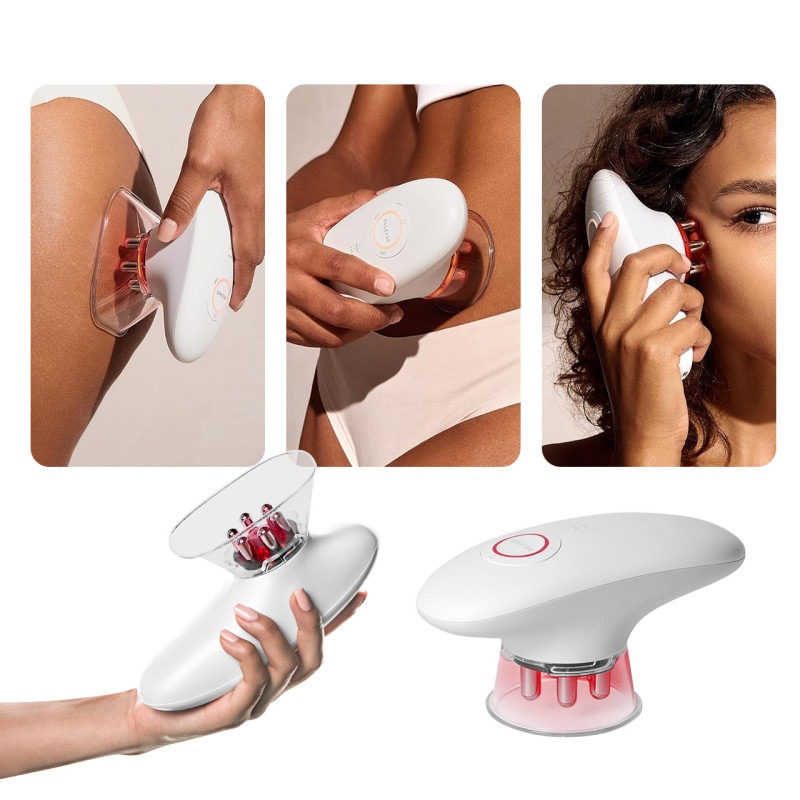
Using an at-home device like Redu Sculpt makes it easier to stick to a routine, especially since it also incorporates vacuum massage and sculpting heads for enhanced results.
More Than Just a Glow
Red light therapy isn’t just about looking good—it’s about feeling good in your skin. By supporting your body’s natural regeneration systems, it offers a holistic path to healthier skin, better healing, and even pain relief.
Whether you’re targeting signs of aging, breakouts, or post-workout soreness, red light therapy is one of the few beauty tools backed by science—not just hype.
And with devices like Redu Sculpt, you can now enjoy these benefits from the comfort of your home. All it takes is a little light, a few minutes a day, and a whole lot of self-care.