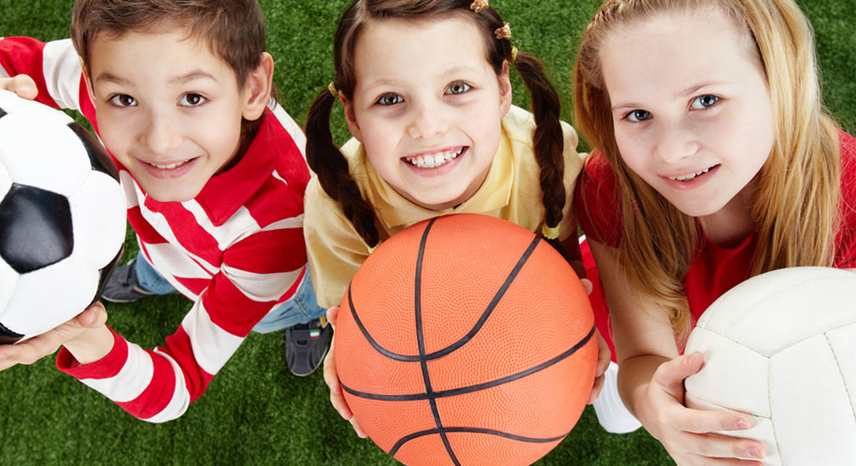
You know how essential it is for kids to stay active, yet the rise of technology and screen time has turned many children into spectators instead of participants. Sports and fitness activities are not just about burning energy, they play a critical role in your child’s physical, mental, and social development. From improved motor skills to confidence boosts and stronger peer relationships, sports give kids tools that benefit them well into adulthood.
As sedentary lifestyles become more common, you must understand how sports can shape a healthier, happier future for children. It’s about more than just play; it’s about fostering well-rounded growth that empowers kids to thrive in life.
Physical Benefits of Sports for Kids
Enhances Motor Skills, Coordination, and Balance
- Sports like soccer, basketball, and gymnastics help kids develop fine motor control and spatial awareness.
- Regular activity sharpens hand-eye coordination, balance, and agility.
- These physical skills lay a foundation for everyday tasks such as writing, carrying objects, and posture control.
- Early development of coordination through activities like dance or martial arts helps kids excel in multiple sports as they grow older.
Strengthens Muscles and Bones for Healthy Growth
- Weight-bearing activities like running, jumping, and climbing stimulate bone density and muscle development.
- Sports encourage proper posture and reduce risks of bone injuries.
- Resistance-based movements (e.g., gymnastics, martial arts) build functional strength, critical for future athletic performance and injury prevention.
- Active kids often have better flexibility and mobility, helping them develop stronger joints and ligaments that can withstand physical challenges.
Reduces Risk of Childhood Obesity and Health Conditions
- Active kids burn more calories, reducing their likelihood of developing obesity.
- Obesity-related health issues such as Type 2 diabetes, high blood pressure, and heart conditions become less common.
- Regular physical activity supports healthy metabolic function, improving long-term health outcomes.
- Encouraging sports at a young age helps instill healthy habits that reduce the chances of chronic illnesses in adolescence and adulthood.
Boosts Cardiovascular Endurance and Flexibility
- Sports that require endurance, such as swimming, running, and cycling, improve cardiovascular health.
- Activities like yoga or dance enhance flexibility and range of motion, lowering injury risk.
- Improved endurance helps kids engage in physical tasks more efficiently, making them more resilient during both play and structured sports.
- Better cardiovascular fitness leads to stronger lungs, a healthier heart, and increased energy levels.
Mental and Emotional Benefits
Increases Self-Esteem and Confidence
- Mastering new skills and achieving goals through sports builds self-confidence.
- Small victories, like learning to dribble or scoring a goal, give kids a sense of accomplishment.
- Success in sports carries over to school, social situations, and home life, reinforcing positive self-worth.
- Feeling part of a team or community nurtures a child’s sense of belonging and security.
Teaches Discipline, Patience, and Perseverance
- Training schedules, drills, and team practices require commitment and consistency.
- Kids learn to follow instructions, accept feedback, and adjust behaviors for improvement.
- These lessons promote resilience, teaching them to keep going even when facing setbacks.
- The routine of sports can also teach time management, helping kids balance school, hobbies, and athletics.
Improves Mood and Reduces Anxiety
- Physical activity triggers the release of endorphins, the body’s natural mood enhancers.
- Regular exercise helps manage stress, anxiety, and frustration, contributing to emotional well-being.
- Kids who stay active often experience better sleep quality, which impacts mood regulation and focus.
- Regular participation in sports has also been linked to lower rates of depression in children.
Encourages Healthy Emotional Coping Strategies
- Instead of turning to screens or unhealthy behaviors, kids in sports learn to manage stress positively.
- Engaging in physical activity can be a healthy outlet for managing emotions and channeling energy.
- Kids develop emotional resilience as they learn to handle wins, losses, and team dynamics.
- Facing competitive situations helps them cope with pressure and builds mental toughness.
Social and Academic Impact
Develops Teamwork and Communication Skills
- Team sports like soccer, basketball, or volleyball teach kids to work together to achieve a common goal.
- Effective communication is crucial, whether it’s passing the ball or coordinating defense.
- Learning to cooperate and trust peers helps kids in both sports and daily social interactions.
- Sports environments encourage peer mentorship, where older kids guide younger ones, promoting empathy and leadership.
Teaches Leadership and Cooperation
- Sports often give kids a chance to lead teams, mentor younger teammates, or make on-the-fly decisions.
- Leadership roles foster decision-making, problem-solving, and accountability.
- Cooperation learned through sports translates into better collaboration skills at school and in future workplaces.
- Kids also learn conflict resolution and negotiation skills, essential for healthy relationships.
Positive Impact on Academic Performance
- Studies show that active kids perform better academically due to improved concentration, memory, and focus.
- Sports teach time management skills, balancing schoolwork with practices and games requires planning.
- The discipline learned in sports often mirrors better study habits and classroom engagement.
- Physical activity has been linked to cognitive benefits, including enhanced creativity and critical thinking.
Reduces Behavioral Problems and Enhances Peer Relationships
- Kids involved in sports are less likely to exhibit behavioral issues like aggression or defiance.
- Being part of a team gives kids a sense of belonging and community.
- Strong peer relationships contribute to a positive self-image and reduce feelings of isolation.
- Children who play sports often have higher empathy levels and show improved social skills in group settings.
How to Encourage Kids to Stay Active?
Introduce Multiple Sports and Let Them Explore Interests
- Exposure to various sports allows kids to discover their passions, whether it’s soccer, swimming, martial arts, or gymnastics.
- Avoid forcing kids into a single sport too early; exploration helps them develop a wider skill set.
- Encouraging variety prevents burnout and keeps fitness engaging.
- Introducing different sports improves all-around athleticism and helps prevent overuse injuries.
Create a Fun, Pressure-Free Environment
- Make sure sports stay fun. Focus on enjoyment and effort rather than competition.
- Help kids set realistic expectations and avoid overemphasizing winning.
- Positive reinforcement builds confidence and long-term enthusiasm for physical activity.
- Avoid early specialization in one sport and instead promote trying out different games and activities.
Encourage Family Activities like Hiking or Weekend Sports
- Kids model behaviors they observe. Join them in family hikes, cycling trips, or backyard games.
- Regular active family time strengthens bonds while promoting healthy habits.
- Turning fitness into family fun helps kids see exercise as an enjoyable lifestyle, not a chore.
- Organize community events or family-friendly competitions to keep the excitement alive.
Limit Screen Time and Replace with Active Play
- Encourage outdoor play over excessive screen use.
- Suggest alternatives like neighborhood games, trampoline sessions, or bike rides.
- Provide space and resources (balls, jump ropes, bikes) that make it easy for kids to stay active.
- Balance structured activities with unstructured playtime to foster creativity.
Involve Schools and Communities
- Enroll kids in community sports leagues, after-school programs, or local fitness events.
- Advocate for schools to prioritize physical education and recess.
- Engage with other parents to organize group activities or playdates centered around active games.
- Partner with local sports clubs or recreation centers to expose kids to a variety of sports.
Sports offer kids so much more than just a way to burn energy, they provide life-shaping benefits for their physical health, mental well-being, and social development. Encouraging kids to participate in regular sports and physical activities fosters confidence, discipline, teamwork, and resilience that extends beyond the playing field.
Active kids grow into active adults. By prioritizing sports today, you help them build a foundation for lifelong health and happiness. Start fostering an active lifestyle early, and you will empower kids to thrive both now and in the future.
Discover how sports and fitness activities boost kids' physical, mental, and emotional development. Learn the long-term benefits of active children.