Protein powders have become a go-to supplement for many fitness enthusiasts, athletes, and health-conscious individuals. Whether you are aiming to build muscle, lose weight, or simply maintain a balanced diet, choosing the right protein powder can make a big difference. With so many options available, from plant-based to whey, isolate to concentrate, navigating through the variety can feel overwhelming. However, finding the best fit does not have to be complicated. Understanding your personal fitness goals is the first and most important step. Are you looking to bulk up, slim down, recover faster after workouts, or just get more protein into your diet? Each protein type offers unique benefits, and the right one will depend on what you are trying to achieve and how your body responds to different ingredients. In this blog, we will discuss how to choose the protein powder that aligns best with your health goals and lifestyle.
Understanding Protein and Its Role in Fitness
Protein is a key macronutrient that plays a crucial role in muscle repair, growth, and overall body function. When we work out, especially during resistance or strength training, muscle fibers break down and need to be rebuilt stronger, and that is where protein steps in. It supports recovery, helps preserve lean muscle mass, and contributes to improved strength and performance.
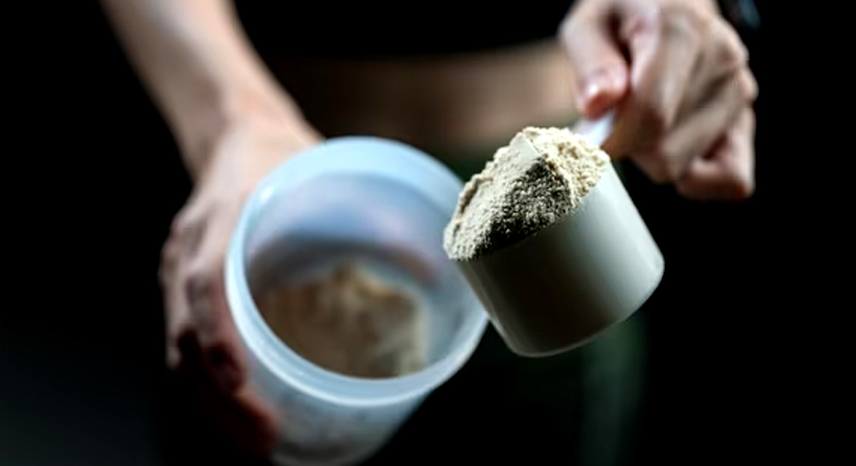
Protein powders offer a convenient way to meet daily protein needs, especially when whole food sources are limited due to busy schedules or dietary restrictions. They are easy to mix into smoothies, shakes, or meals, making them a practical choice for pre-or post-workout nutrition. Before choosing a protein powder, it is important to understand the different types available and how they align with your body’s requirements.
Different Types of Protein Powder
Here is a breakdown of the most commonly available protein powder types:
1. Whey Protein
Whey is a complete protein derived from milk. It contains all nine essential amino acids and is rapidly absorbed by the body, making it ideal for post-workout recovery. It is best suited for muscle growth and recovery.
2. Casein Protein
Also derived from milk, casein is absorbed more slowly, providing a steady release of amino acids. This makes it ideal for nighttime use or prolonged periods without food.
3. Plant-Based Proteins
These include options like peas, rice, hemp, or a blend of several plant proteins. They are great for vegetarians, vegans, and those with dairy allergies. Some plant-based proteins may be lower in certain amino acids, so blends are often used to make them more complete.
4. Egg White Protein
Made from the whites of eggs, this is a lactose-free option and offers high bioavailability. It is a good alternative for those avoiding dairy but wanting an animal-based protein.
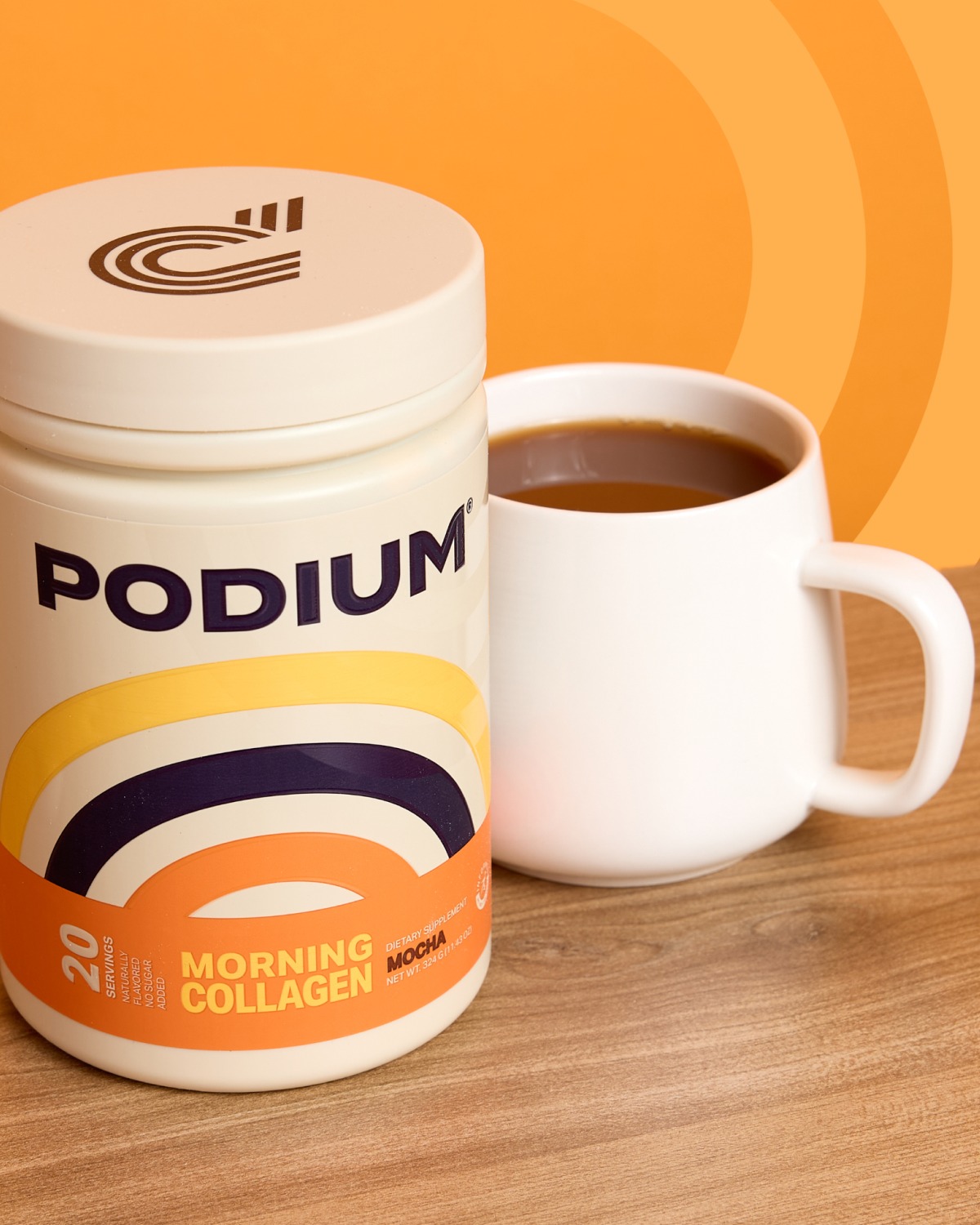
5. Collagen Protein
While not a complete protein, collagen supports joint health, skin elasticity, and connective tissues. It is less ideal for muscle building but great for general wellness.
Aligning Protein Powder with Your Fitness Goals
Once you are familiar with the types of protein, the next step is matching them to your specific fitness goals:
1. For Muscle Building
Look for a protein that has a high biological value, meaning your body can absorb and use it efficiently. Fast-digesting proteins like whey are ideal here because they nourish your muscles quickly after a workout.
2. For Weight Loss
Choose a protein powder with minimal added sugars and low carbohydrates. A product that helps you feel full longer can prevent unnecessary snacking. Some proteins also support metabolism and fat oxidation.
3. For Meal Replacement
In this case, you want a more balanced powder with protein, healthy fats, fiber, and some carbohydrates. It should provide sustained energy and keep you satisfied until your next meal.
4. For Recovery
Post-workout recovery powders should include a blend of protein and some carbs to help replenish glycogen stores and reduce muscle soreness. Whey isolates or hydrolysates are often preferred for quick absorption.
5. For General Health and Maintenance
If your goal is to supplement your diet, a moderate protein blend that is gentle on the stomach, with added nutrients or probiotics, can be a good choice.
Key Factors to Consider Before Buying
It is important to look beyond the label when selecting your protein powder. Here are some key things to consider:
1. Ingredient Quality
Look for clean labels with minimal additives, fillers, or artificial sweeteners. Natural flavorings, minimal processing, and organic ingredients are often better for long-term use.
2. Protein Per Serving
A good protein powder should offer at least 15–25 grams per serving, depending on your individual protein requirements and how much you consume through meals.
3. Digestibility
For individuals who experience bloating, gas, or digestive issues, selecting powders with added enzymes or those made from easily digestible sources can help.
4. Dietary Restrictions
Always check for allergen warnings. If you are lactose intolerant or allergic to soy, opt for alternatives that align with your needs, like rice or pea protein.
5. Taste and Mixability
While taste is subjective, the best protein powders mix smoothly and have a neutral or pleasant flavor. Many users find unflavored options versatile, as they can be added to various recipes.
Reading the Nutrition Label
Do not just rely on marketing claims. Understanding what is inside the product can help you avoid unwanted ingredients and make a smarter choice. Learn how to interpret the label:
- Protein Content: Compare the total protein per scoop with the serving size.
- Calories: If you are trying to manage weight, pay attention to how calorie-dense the powder is.
- Carbohydrates and Fats: These should be minimal unless using the powder as a meal replacement.
- Additives: Check for artificial flavors, colors, preservatives, or excess sugar.
Customizing Protein Use for Your Lifestyle
Everyone’s schedule and body are different. Using it creatively ensures you never get bored while meeting your fitness needs. Here are a few tips for using protein powder effectively based on lifestyle:
- Busy Professionals: Add a scoop to your morning smoothie or oatmeal for a protein boost.
- Athletes and Gym-goers: Use it right after workouts for faster recovery and muscle support.
- On-the-Go Users: Mix it with water or plant-based milk for a quick shake while traveling.
- Home Cooks: Add protein powder to baked goods or pancake batter to enhance the nutritional value of snacks.
To conclude, choosing the right protein powder does not have to be a confusing task. By understanding your fitness goals, dietary preferences, and lifestyle habits, you can narrow down the best option that supports your journey. Whether you are looking to gain muscle, lose fat, recover quicker, or simply maintain your health, there is a protein type and formula that aligns with your needs. Instead of getting lost in flashy packaging or bold marketing claims, focus on clean ingredients, proper nutrition, and how the product fits into your daily routine. Trust your body's signals, monitor your progress, and stay consistent with your nutrition plan. No matter where you are on your fitness path, just starting out or looking to improve results, a suitable protein powder can give you that extra edge. Use it as a supportive tool, not a miracle fix. So, balanced eating, regular workouts, and proper rest will always be the foundation of success. With the right knowledge and approach, you can make the smartest choice for your fitness goals.